
Download our SSCE Study Guide Bundle
Chapter 16 Summary of To Kill a Mockingbird
Chapter 16 of To Kill a Mockingbird begins the morning after the tense confrontation at the Maycomb jail. Scout suddenly realises the full gravity of what happened—that Atticus was in real danger—and begins to cry. At breakfast, Jem is the only one with an appetite, while Aunt Alexandra strongly disapproves of the children having sneaked out.
Atticus mentions how strange it is that Mr. Braxton Underwood was covering him with a shotgun the whole time, given that Mr. Underwood notoriously “despises Negroes.” Aunt Alexandra scolds Atticus for speaking about such things in front of Calpurnia, but Atticus firmly defends Calpurnia. He argues that anything fit to say at the dining table is fit to say in front of her.
When Scout remarks that she thought Mr. Cunningham was their friend, Atticus delivers a profound lesson. He explains that Mr. Cunningham is still a friend and a basically good man who just has “blind spots.” Atticus explains that a mob is always made up of people you know, and the fact that an eight-year-old girl could bring them to their senses proves that even a “gang of wild animals” can be stopped because they are still human.
Later that morning, the town takes on a festive, holiday atmosphere as wagonloads of people from all over Maycomb County pour in to watch the trial. The children sit in their front yard watching the parade of eccentric characters. They see Mr. Dolphus Raymond drinking from a brown paper sack; Jem explains that Mr. Raymond prefers the company of Black people, has a Black mistress, and has several “mixed” children. Jem explains that mixed children are “sad” because they don’t belong anywhere. The white folks won’t have them, and the Black folks won’t have them either.
The children go downtown and notice Miss Maudie is not attending the trial. She refuses to go because she believes it is a “Roman carnival.” She opines that it is morbid to watch a poor devil on trial for his life.
Despite Atticus’s orders to stay downtown, the children sneak into the courthouse. The courthouse is overflowing. In the first-floor hallway, Scout overhears a group of old men called the “Idlers’ Club” discussing Atticus. Scout learns a crucial piece of information: Atticus was appointed by the court to defend Tom Robinson. However, the men are upset because Atticus actually aims to defend him. Scout is confused as to why Atticus never used his court appointment as an excuse to explain his actions to the town.
Because there are no seats left on the white ground floor, the children are stranded until Reverend Sykes invites them to the Colored balcony. Four Black people willingly give up their front-row seats so the children can see. From the balcony, they have a perfect view of the courtroom, the jury, the prosecuting attorney Mr. Gilmer, and the eccentric but sharp Judge Taylor as the first witness, Sheriff Heck Tate, takes the stand.
Analysis of Chapter 16
Following the harrowing events at the jail, Atticus provides one of his most important lessons on empathy. He refuses to demonise Mr. Cunningham because he understands that mobs are made up of ordinary men who have temporarily lost their heads. By pointing out that Scout made Mr. Cunningham “stand in my shoes for a minute,” Atticus reinforces the novel’s central theme: true empathy can dismantle even the most dangerous prejudice.
Harper Lee sharply critiques the town’s approach to justice by depicting the morning of the trial as a “gala occasion.” People are picnicking in the square and treating a man’s fight for his life as a source of cheap entertainment. Miss Maudie functions as the moral voice of reason here with her refusal to participate in the “Roman carnival.”
The introduction of Mr. Dolphus Raymond and his children allows Lee to explore the tragic rigidity of Maycomb’s racial lines. Jem’s explanation that “mixed” children are sad because they “don’t belong anywhere” demonstrates how the town’s social structure leaves no room for anything outside its strict black-and-white binary. It also reveals that even a drop of Black blood classifies a person as Black in Maycomb. This establishes the deeply entrenched racism that Tom Robinson is up against.
Scout’s discovery that Atticus was appointed to the case is a major revelation. The town is not angry because Atticus is defending Tom; they are angry because he actually aims to defend him. In other words, he intends to give Tom a fair, vigorous defence instead of just going through the motions. Scout realises that Atticus could have easily used his appointment as an excuse to avoid the town’s anger, but his refusal to do so underscores his profound moral integrity.
The architecture of the courthouse perfectly mirrors the social hierarchy of the Jim Crow South. White people sit comfortably on the main floor, while Black citizens must wait until the white people have entered and are relegated to the balcony. Ironically, it is in this marginalised space that the Finch children find safety and hospitality. Reverend Sykes and the Black spectators graciously offer up their seats to Jem, Scout, and Dill, physically aligning the children with the Black community and distancing them from the prejudices of the white townspeople below.
Chapter 17 Summary of To Kill a Mockingbird
The trial of Tom Robinson begins with Mr. Gilmer, the circuit solicitor, questioning Sheriff Heck Tate. Tate testifies that on the night of November 21st, Bob Ewell came to his office frantically claiming his daughter had been raped. When Tate arrived at the Ewell home, he found Mayella badly beaten; she claimed Tom Robinson had attacked her, which led to his arrest.
During cross-examination, Atticus establishes a crucial piece of information: despite Mayella’s severe injuries, no one called a doctor to examine her. Atticus then presses Tate to describe Mayella’s injuries in detail. Tate recalls that she was beaten around the head and had bruises on her arms and finger marks all around her neck. Crucially, after some confusion, Tate confirms that it was Mayella’s right eye that was blackened, meaning she was beaten primarily on the right side of her face.
Before Bob Ewell takes the stand, Scout provides a detailed description of the Ewell family’s living conditions. They live like guests of the county in absolute squalor behind the town garbage dump. They reside in a former Negro cabin made of scavenged materials. The yard is littered with trash, with the sole exception of six chipped-enamel slop jars holding brilliantly cared-for red geraniums, which people say belong to Mayella.
Bob Ewell struts to the witness stand. He testifies that he heard Mayella screaming, ran to the window, and saw Tom Robinson raping her. In his testimony, Bob uses crude and racist language (“I seen that black nigger yonder ruttin’ on my Mayella!”) that causes an uproar in the courtroom and earns him a stern warning from Judge Taylor. He claims Tom ran out the front door before he could catch him, so he ran to get the sheriff.
Atticus begins his cross-examination by politely getting Ewell to confirm twice that he never called a doctor for Mayella, arguing it would have cost five dollars. Atticus then gets Ewell to explicitly agree with Sheriff Tate’s description of Mayella’s injuries, specifically that her right eye was blackened and the right side of her face was beaten.
Finally, Atticus asks Ewell if he can read and write. Over Mr. Gilmer’s objections, Judge Taylor allows the question. Atticus hands Ewell an envelope and a fountain pen, asking him to write his name. As Ewell writes, Judge Taylor notes aloud, “You’re left-handed, Mr. Ewell.”
Jem is ecstatic. He whispers to Scout, “We’ve got him.” Jem understands that a person beaten on the right side of their face was likely punched by a left-handed attacker. However, Scout remains sceptical because while this proves Bob Ewell could have beaten his daughter, it doesn’t exonerate Tom Robinson, who might also be left-handed.
Analysis of Chapter 17
This chapter of To Kill a Mockingbird showcases Atticus’s brilliance as a trial lawyer. It shows how he builds his case quietly and methodically. By establishing that no medical examination took place, he highlights the lack of physical evidence proving a rape occurred. By proving Bob Ewell is left-handed and that Mayella was beaten on the right side of her face, Atticus masterfully plants the seed of truth in the jury’s mind: Bob Ewell, not Tom Robinson, beat Mayella.
The detailed description of the Ewell property cements their status at the absolute bottom of Maycomb’s white social hierarchy. They live in the town dump and survive on welfare checks that Bob Ewell frequently drinks away. Bob Ewell’s arrogance on the stand stems from his belief that, despite his squalor, his whiteness automatically places him above Tom Robinson. The single touch of beauty on their property—Mayella’s red geraniums—symbolises her desperate, isolated attempt to create something good amidst the ugliness and abuse of her environment.
Ewell is presented as crass, ignorant, and deeply prejudiced. He shows a profound lack of respect for the courtroom, which forces Judge Taylor to reprimand him for his obscene language. He views the trial as an opportunity to assert his racial superiority and play the victim. His hostility towards Atticus reveals his insecurity and defensive nature when questioned by someone of higher social and intellectual standing.
Jem’s excited reaction to the left-handed revelation (“We’ve got him”) highlights his youthful innocence. Jem operates on logic: if the evidence points to Bob Ewell, the jury must acquit Tom Robinson. Scout, though younger, notes the flaw in this logic (Tom could be left-handed too), foreshadowing that the adult world of Maycomb does not operate on pure reason, especially when race is involved. Jem’s belief that evidence will triumph over deeply ingrained racial prejudice sets him up for profound disillusionment later in the trial.
Get the Full Analysis in PDF
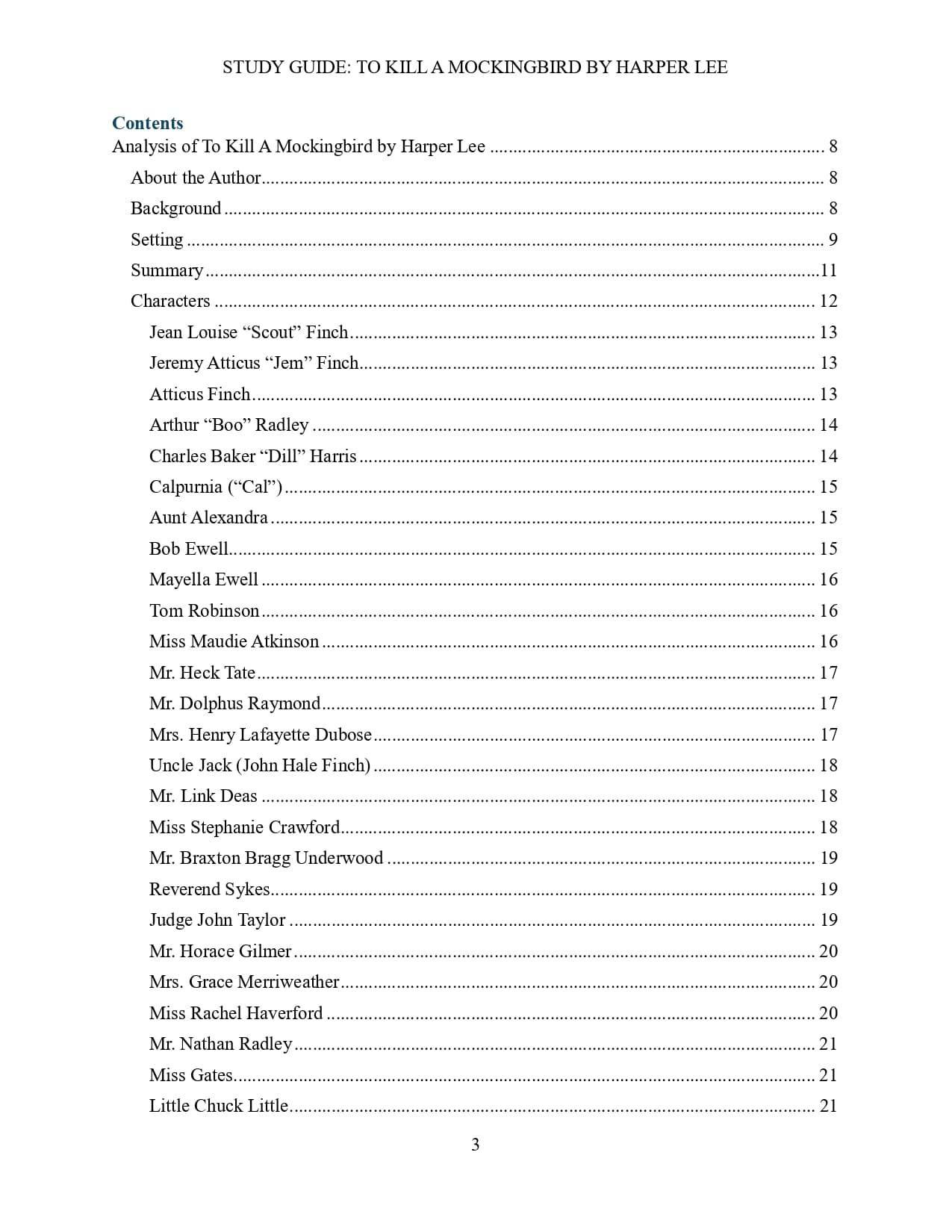
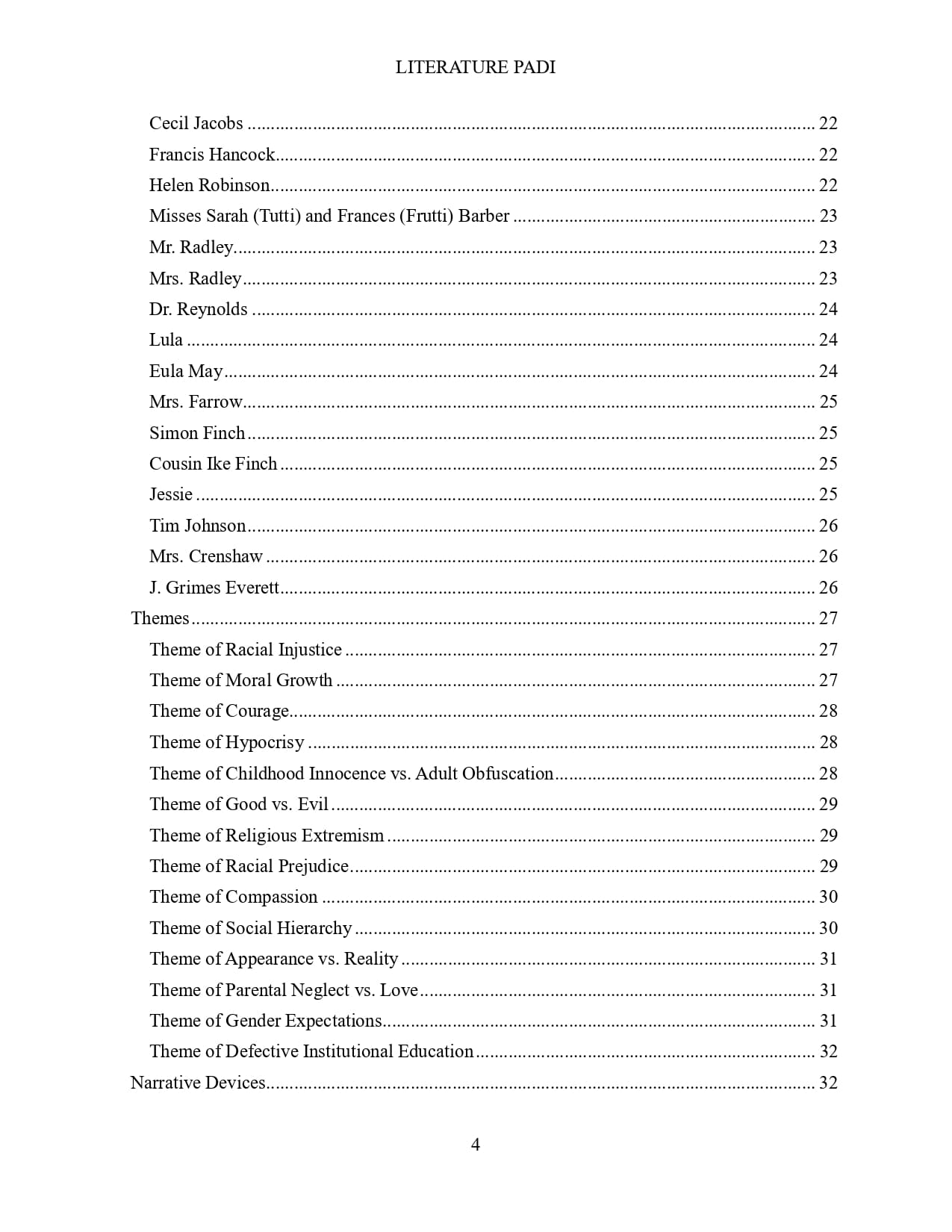
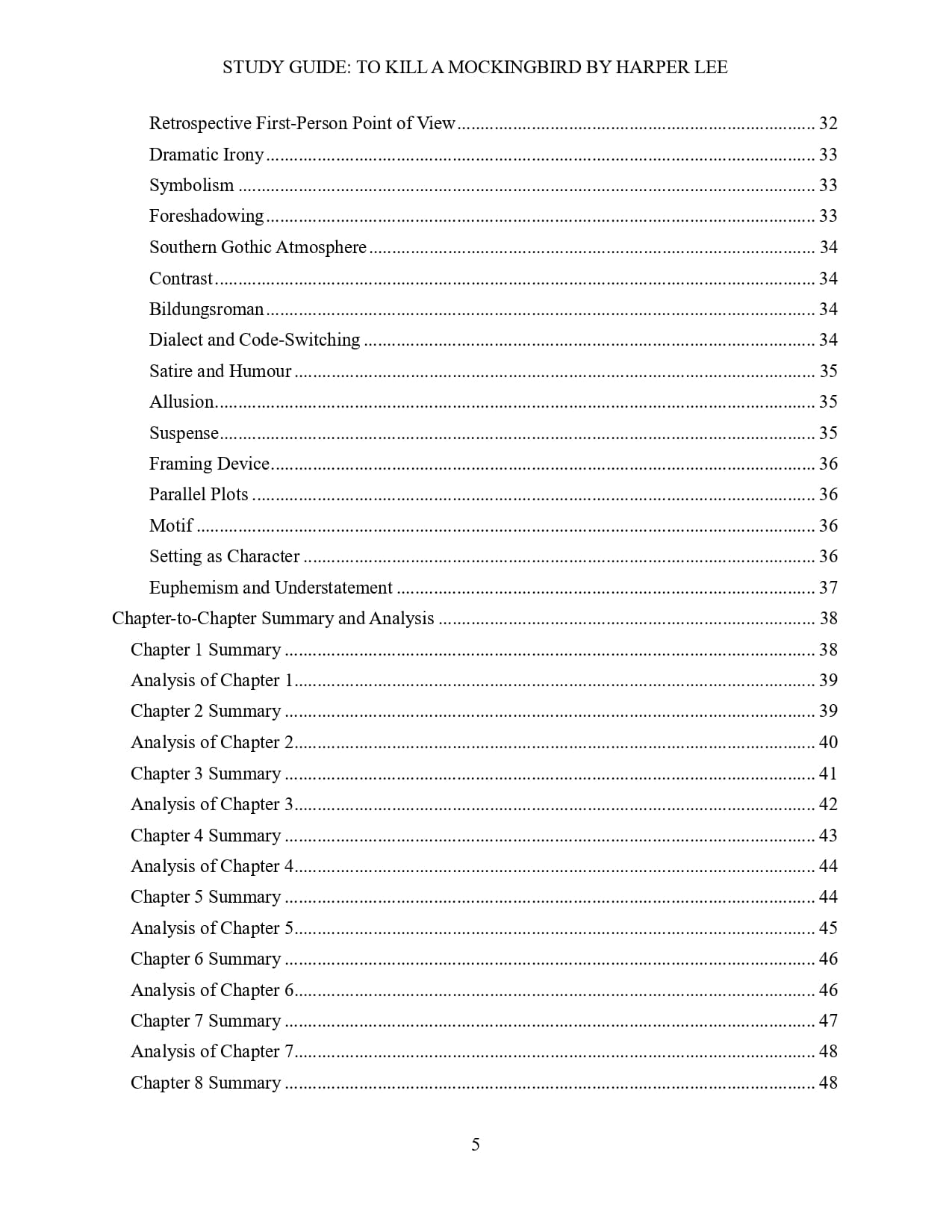
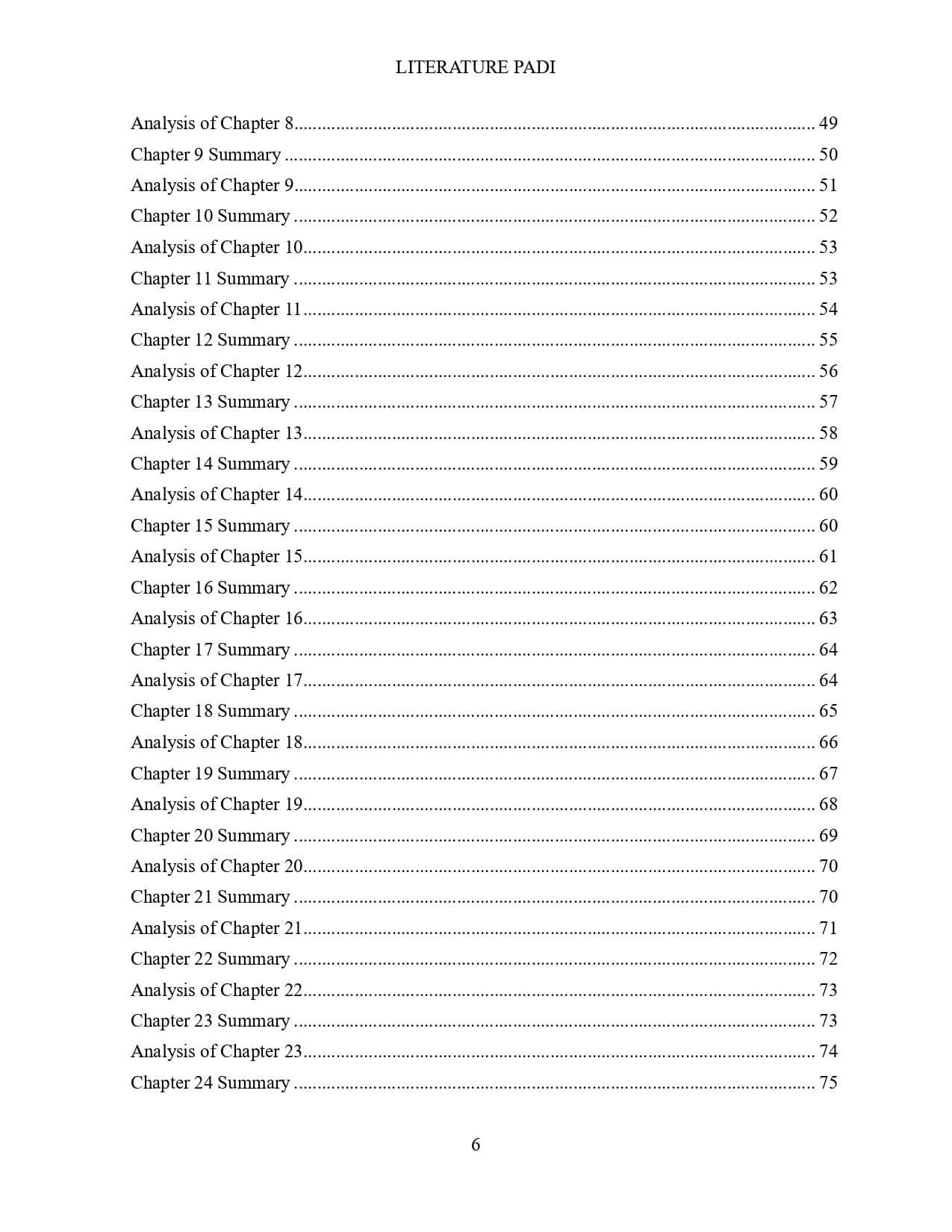
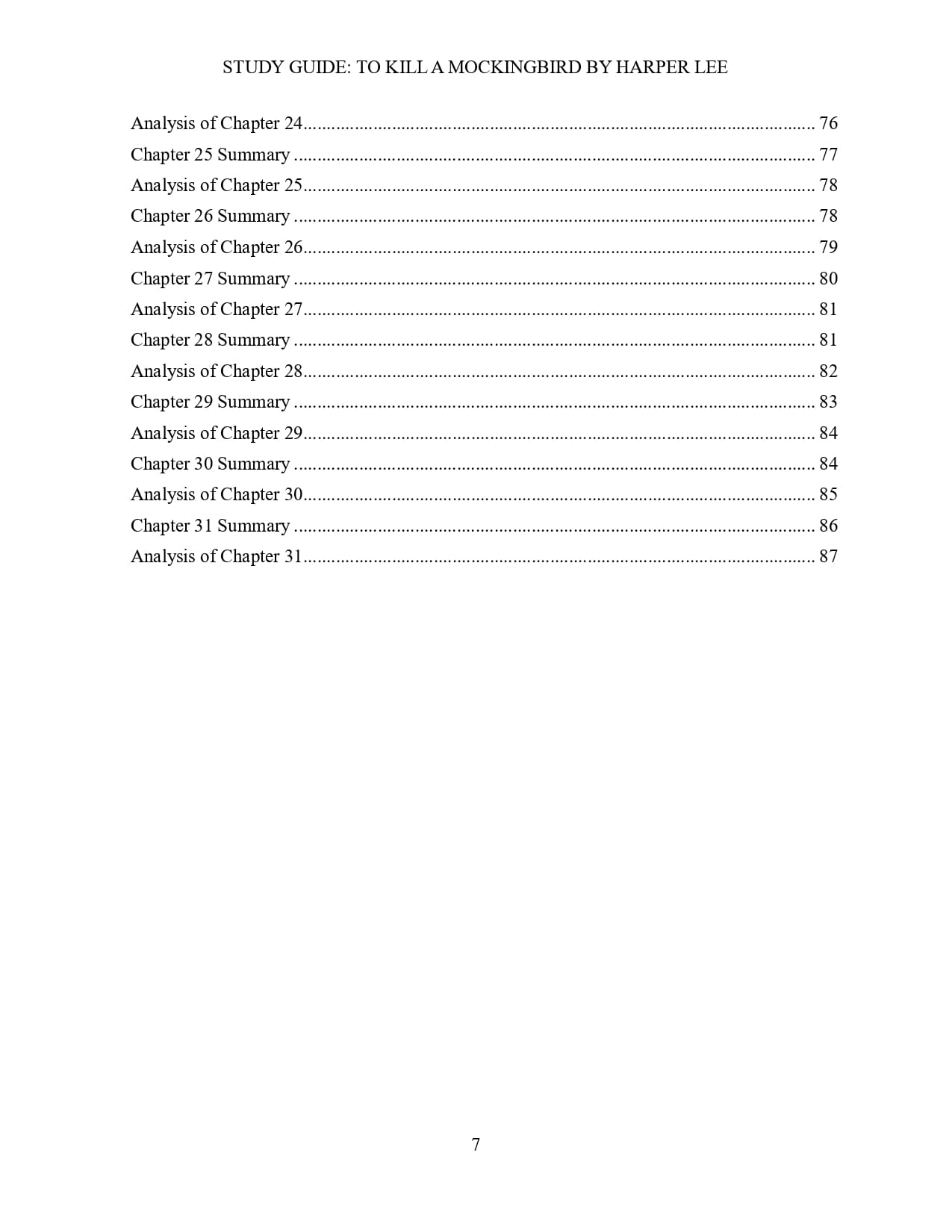
Enjoying this breakdown? What you’re reading is just part of the full experience. The premium PDF edition brings everything together in one seamless, distraction-free document that has the background, setting, plot summary, chapter-to-chapter summary and analysis, narrative devices, characters, and themes. If you’re studying seriously, this is the version you’ll want.
Chapter 18 Summary of To Kill a Mockingbird
Chapter 18 of To Kill a Mockingbird begins with Mayella Ewell taking the witness stand. Despite her seemingly fragile appearance as she takes the oath, Scout observes that she is a thick-bodied young woman accustomed to hard physical labour, though she appears to have tried to keep herself clean for court.
Under the questioning of the circuit solicitor, Mr. Gilmer, Mayella bursts into tears, claiming she is afraid of Atticus because of how he treated her father. After Judge Taylor calms her down, she tells her version of the events of November 21st. She claims she asked Tom Robinson to come inside the fence to chop up a chiffarobe for a nickel. She testifies that when she went inside to get the money and turned around, Tom was right behind her. According to Mayella, he grabbed her around the neck, hit her, choked her, and “took advantage” of her while she screamed and fought back “tooth and nail.” She says the next thing she knew, her father was standing over her, and she fainted.
When Atticus begins his cross-examination, he speaks amiably, addressing her as “Miss Mayella” and “ma’am.” Mayella reacts with furious hostility. She accuses Atticus of making fun of her and “mockin’” her. Judge Taylor has to intervene. He explains to Mayella that Atticus is simply being polite and that is just his normal manner.
Atticus gently questions Mayella about her home life to paint a picture for the jury. Mayella reveals she is nineteen, the eldest of seven children, and only attended school for two or three years. She admits her father drinks up their relief checks and can be aggressive, though she defensively insists he has never touched a hair on her head. When Atticus asks if she has any friends her own age, Mayella is entirely confused by the question and again thinks Atticus is making fun of her.
Atticus methodically points out the flaws in Mayella’s story. He asks if Tom hit her in the face. Mayella hesitates, looks at Mr. Gilmer, and initially says she doesn’t remember, then firmly says he did. She later changes her story slightly, claiming she ducked and the punch merely glanced off her.
Atticus then asks Tom Robinson to stand up so Mayella can identify him. As Tom stands, it becomes obvious to the entire courtroom that his left arm is fully twelve inches shorter than his right, ending in a shrivelled, useless hand. Reverend Sykes whispers to the children that Tom got his arm caught in a cotton gin when he was a boy, tearing the muscles loose from the bones.
Atticus asks Mayella how Tom Robinson could have possibly choked her and savagely beaten the right side of her face with only one good hand. Mayella rages that she doesn’t know how he did it, but he did. Atticus rains rapid-fire questions on her, asking why her siblings didn’t hear her screams from the nearby dump, why she didn’t run, and finally, point-blank asks her: “Why don’t you tell the truth, child, didn’t Bob Ewell beat you up?”
Mayella refuses to answer any of Atticus’s final questions. Instead, her face contorts with terror and fury, and she launches into a desperate final outburst directed at the court. She declares that Tom Robinson took advantage of her, and tells the jury that if they don’t do anything about it, they are all “yellow stinkin’ cowards.” She then bursts into angry tears and refuses to say another word. The State rests its case, and Judge Taylor calls for a ten-minute recess.
Analysis of Chapter 18
Mayella’s reaction to Atticus’s basic courtesy (“ma’am” and “Miss”) highlights the profound tragedy of her life. She is so thoroughly abused, neglected, and socially isolated that she has never been treated with basic respect; thus, she genuinely believes Atticus’s politeness is a cruel taunt. Her confusion when Atticus asks if she has any friends further underscores her complete lack of normal human connection or affection.
Atticus’s cross-examination is structured to systematically dismantle the prosecution’s narrative without bullying the witness. First, he establishes the squalor and potential for domestic abuse in the Ewell household. Second, he forces Mayella to lock in her story that she was choked and beaten in the face by Tom. Finally, he introduces the undeniable physical evidence: Tom Robinson’s mangled, useless left arm. Because Mayella was beaten almost exclusively on the right side of her face (which would require a left-handed attacker, as established by Bob Ewell’s testimony in the previous chapter), it is physically impossible for Tom to have committed the crime.
Cornered by the physical impossibility of her story and Atticus’s implication that her father beat her, Mayella resorts to the ultimate weapon she possesses in Maycomb: her whiteness. Her final outburst (“if you fine fancy gentlemen don’t wanta do nothin’ about it then you’re all yellow stinkin’ cowards”) is a calculated emotional manipulation. She relies entirely on the jury’s deep-seated racial prejudice, essentially challenging their manhood and southern honour if they dare to take a Black man’s truth over a white woman’s accusation.
Scout notes that Atticus takes no pleasure in destroying Mayella’s testimony and looks as though his stomach hurts when he turns away from her. Atticus clearly recognises that Mayella is a victim of a horrific home life, but he cannot allow her victimhood to justify sending an innocent man to his death. This reinforces Atticus’s profound moral consistency. He pities her circumstances but relentlessly pursues the truth.
Chapter 19 Summary of To Kill a Mockingbird
Chapter 19 of To Kill a Mockingbird begins with Tom Robinson taking the witness stand. As he tries to place his hand on the Bible to take the oath, it becomes fully apparent that his left arm is completely useless. It is twelve inches shorter than his right and ends in a shrivelled hand, having been caught in a cotton gin when he was a boy. Atticus quickly establishes Tom’s background: he is twenty-five, married with three children, and works steadily for Mr. Link Deas. Atticus also brings up a past disorderly conduct charge to show the jury that Tom has nothing to hide.
Tom testifies that he had to pass the Ewell place every day to get to work. He explains that Mayella often asked him to come inside the fence to do small chores, such as chopping kindling or carrying water. He always did these tasks for free because he knew the family had no money and he noticed that none of the other family members ever helped her. Listening to this, Scout suddenly realises that Mayella Ewell must be the loneliest person in the world, even lonelier than Boo Radley, because the white community shuns her for living like “trash” and the Black community shuns her because she is white.
Tom recounts what actually happened on the evening in question (November 21st). He says Mayella called him inside the fence, claiming she needed him to fix a door off its hinges. When Tom went inside, he realised the door was fine. He also noticed the house was entirely quiet and asked where the other children were. Mayella revealed she had saved seven nickels over the course of a year and sent all the children to town to get ice cream.
Mayella then asked Tom to reach a box on top of a chiffarobe. When he stepped on a chair to reach it, she grabbed him around the legs, scaring him so badly that he knocked the chair over. After he hopped down, she hugged him around the waist, kissed him on the side of the face, and demanded that he “kiss me back, nigger.” Tom testifies that he pleaded with her to let him out and tried to leave without pushing her, as he knew he could not strike a white woman. Just then, Bob Ewell appeared at the window and screamed, “you goddamn whore, I’ll kill ya.” Terrified of being in such a dangerous situation as a Black man, Tom ran away as fast as he could.
Before the cross-examination begins, Tom’s employer, Mr. Link Deas, stands up in the audience and loudly declares that Tom has worked for him for eight years without a speck of trouble. Judge Taylor furiously throws Mr. Deas out of the courtroom for the interruption.
The prosecuting attorney, Mr. Gilmer, begins a harsh and condescending cross-examination, repeatedly calling Tom “boy” and sneering at his answers. He tries to paint Tom as a strong, violent man who had his eye on Mayella.
Mr. Gilmer demands to know why Tom did all those chores for Mayella without being paid. Tom makes a fatal misstep for a Black man in the Jim Crow South: he explains, “I felt right sorry for her.” This statement horrifies the white spectators and the jury, as it suggests a Black man felt pity for a white woman, upending the rigid racial hierarchy of Maycomb.
As the aggressive questioning continues, Dill begins crying uncontrollably in the balcony. Jem makes Scout take Dill outside. Sitting under an oak tree, Dill explains that he isn’t sick from the heat, but rather sickened by the hateful, degrading way Mr. Gilmer was talking to Tom, saying “it just makes me sick.”
There are 2,080 words waiting beyond this point.
You’ve just read part of the summary. What follows is a further 2,080 words that complete this segment. If this portion has been useful so far, the continuation delivers the full chapter summary and analysis. Continue reading to unlock the remaining 2,080 words.
Related:
- Chapter 1 to 3 Summary and Analysis of To Kill a Mockingbird by Harper Lee
- Chapter 4 to 6 Summary and Analysis of To Kill a Mockingbird by Harper Lee
- Chapter 7 to 9 Summary and Analysis of To Kill a Mockingbird by Harper Lee
- Chapter 10 to 12 Summary and Analysis of To Kill a Mockingbird by Harper Lee
- Chapter 13 to 15 Summary and Analysis of To Kill a Mockingbird by Harper Lee
- Chapter 22 to 24 Summary and Analysis of To Kill a Mockingbird by Harper Lee
- Chapter 25 to 28 Summary and Analysis of To Kill a Mockingbird by Harper Lee
- Chapter 29 to 31 Summary and Analysis of To Kill a Mockingbird by Harper Lee
Receive Literary Updates through our Social Media Channels:
- WhatsApp: Literature PADI
- Telegram: Literature PADI
- YouTube: @literaturepadi
- Facebook: Literature PADI