
Download our SSCE Study Guide Bundle
Chapter 13 Summary of To Kill a Mockingbird
Chapter 13 of To Kill a Mockingbird begins with the sudden, unannounced arrival of Atticus’s sister, Aunt Alexandra, at the Finch house. She explains that she and Atticus have decided she should stay with them “for a while” to provide Scout with some much-needed “feminine influence” as she grows up. Jem and Scout are immediately wary because a visit “for a while” in Maycomb could mean anything from three days to thirty years.
Aunt Alexandra integrates into Maycomb’s social life seamlessly. It is as if she had always lived there. She joins the Missionary Society, becomes Secretary of the Maycomb Amanuensis Club, and establishes a formidable reputation as a hostess. She is described as an incurable gossip and a woman who firmly believes in the rigid social structures of the town. She possesses a deep preoccupation with heredity, given her belief that every family in Maycomb suffers from a specific “Streak”—such as a Drinking Streak, a Gambling Streak, or a Mean Streak. In her view, “Fine Folks” are not defined by their actions, but by how long their family has been squatting on a single patch of land.
The narrative briefly diverges to explain Maycomb’s insular history. The town was founded away from the river because of the “nimble-wittedness” of a tavern owner named Sinkfield, who got the state’s surveyors drunk and altered their maps to ensure the new county seat would be centred around his establishment. Because of this remote location, the town grew inward over a hundred years. This isolation created a rigid caste system where the same families married the same families for generations. As a result, everyone’s attitudes, character shadings, and daily behaviours became entirely predictable to one another.
Distressed that Atticus has not taught Jem and Scout any pride in the Finch family heritage, Aunt Alexandra attempts to teach them herself by showing them a book written by their Cousin Joshua. Jem ruins the moment by revealing that Atticus already told them Cousin Joshua went crazy and tried to shoot the university president with an old flintlock pistol. This maniac attempt costed the family five hundred dollars.
Later that evening, Aunt Alexandra pressures Atticus into having a serious talk with the children about their ancestry. Atticus comes into Jem’s room and awkwardly attempts to explain the “facts of life.” He tells Jem and Scout that they are not “run-of-the-mill people” but the product of “gentle breeding,” and that they must start behaving like a little lady and gentleman.
The lecture is so stilted and unnatural for Atticus that he becomes uncharacteristically short-tempered with Scout when she makes a noise with a comb. Scout realises that this is not how her father normally thinks or speaks. She bursts into tears and buries her head in his vest. Her father, on his part, quickly comforts her, tells them to forget everything he just said, and jokes that he is getting more like the crazy Cousin Joshua every day.
Analysis of Chapter 13
Aunt Alexandra is portrayed as the physical embodiment of Maycomb’s traditional, class-obsessed society. Her fixation on “streaks” and “Fine Folks” illustrates the town’s tendency to judge individuals based on their family name. Jem quickly points out the logical flaw in her obsession with long-standing families: by her definition, the filthy, uneducated Ewells would be considered “fine folks” because they have lived behind the town dump for three generations.
Aunt Alexandra’s arrival brings the societal expectations of women directly into Scout’s safe haven. Alexandra’s stated mission is to provide “feminine influence,” which Scout resents, as she has no interest in clothes or acting like a traditional Southern lady. This conflict sets the stage for Scout’s ongoing struggle between the tomboyish freedom she enjoys with Atticus and Jem, and the restrictive societal norms forced upon her by her aunt.
The disastrous “gentle breeding” lecture is a rare moment where Atticus fails his children, but his failure highlights his integrity. Urged by his sister to enforce Maycomb’s social codes, Atticus tries to play the role of the traditional, class-conscious Southern patriarch. However, the role is completely alien to him. When he sees the emotional toll it takes on Scout, he immediately abandons the charade. He realises that he cannot raise his children to believe in superficial social superiority; doing so would make him a hypocrite.
Finally, the history of Sinkfield’s Tavern explains why Maycomb is so resistant to change. Because it was physically cut off from the outside world, the town developed a closed loop of ideas and prejudices. This background information is crucial for understanding the upcoming trial; it explains why the jury and the townspeople are so deeply entrenched in their biased, traditional ways of thinking, It also foreshadows the immense difficulty Atticus will face in trying to make them see the truth.
Chapter 14 Summary of To Kill a Mockingbird
Chapter 14 of To Kill a Mockingbird begins with Scout and Jem experiencing the town’s growing hostility regarding Atticus defending Tom Robinson. The children face subtle insults from townsfolk over the issue. Scout, for one, goes to her father to ask what “rape” is, after remembering a taunt she didn’t understand. Atticus answers her plainly with a legal definition: “carnal knowledge of a female by force and without consent.”
The conversation shifts to the children’s recent Sunday visit to Calpurnia’s church. Scout asks Atticus if she can go visit Calpurnia at her own home. Aunt Alexandra forcefully interjects, “You may not,” which prompts Scout to talk back. In the end, Atticus makes Scout apologise to her aunt.
Shortly after, Scout overhears Aunt Alexandra urging Atticus to fire Calpurnia. She argues that her presence is no longer needed and inappropriate. Atticus firmly shuts this down. He defends Calpurnia, stating that she is a faithful member of the family, that she has raised the children fairly and strictly, and that they love her.
Later, Jem pulls Scout aside to talk to her in his room. He tells her not to antagonise Aunt Alexandra because Atticus is under immense stress due to the Tom Robinson case. Scout is deeply insulted by Jem’s patronising, superior tone and his threat to spank her if she acts up. She attacks him. This sparks a massive fist-fight between the two. They brawl on the floor until Atticus comes in to separate them. He tells Scout afterwards that she only has to mind Jem if he can physically make her.
As Scout prepares for bed, she steps on something smooth and warm on the floor. Believing it to be a snake, she calls Jem to investigate. Jem sweeps a broom under the bed, and to their shock, Dill emerges, dirty and starving.
Dill initially tells a wild, fabricated story about being bound in chains in a basement by his new father and escaping to join a travelling animal show. After eating, he admits the truth: he stole thirteen dollars from his mother’s purse, caught a train from Meridian, walked, and hitched a ride on a cotton wagon to get to Maycomb.
Realising the gravity of the situation, Jem makes a mature decision that breaks the “remaining code of our childhood”: he goes down the hall and tells Atticus that Dill is here. Atticus treats Dill kindly, gets him more food, and goes next door to inform Dill’s frantic aunt, Miss Rachel, that he is safe.
Miss Rachel allows Dill to stay the night, and he climbs into Scout’s bed. In the dark, Scout asks him why he really ran away. Dill explains that his mother and new stepfather are not physically mean to him, but they are entirely indifferent. They buy him toys but tell him to go play with them alone; they simply do not want him around. The chapter closes with the two children discussing babies and Boo Radley. When Scout asks why Boo Radley never ran away, Dill sadly suggests, “Maybe he doesn’t have anywhere to run off to.”
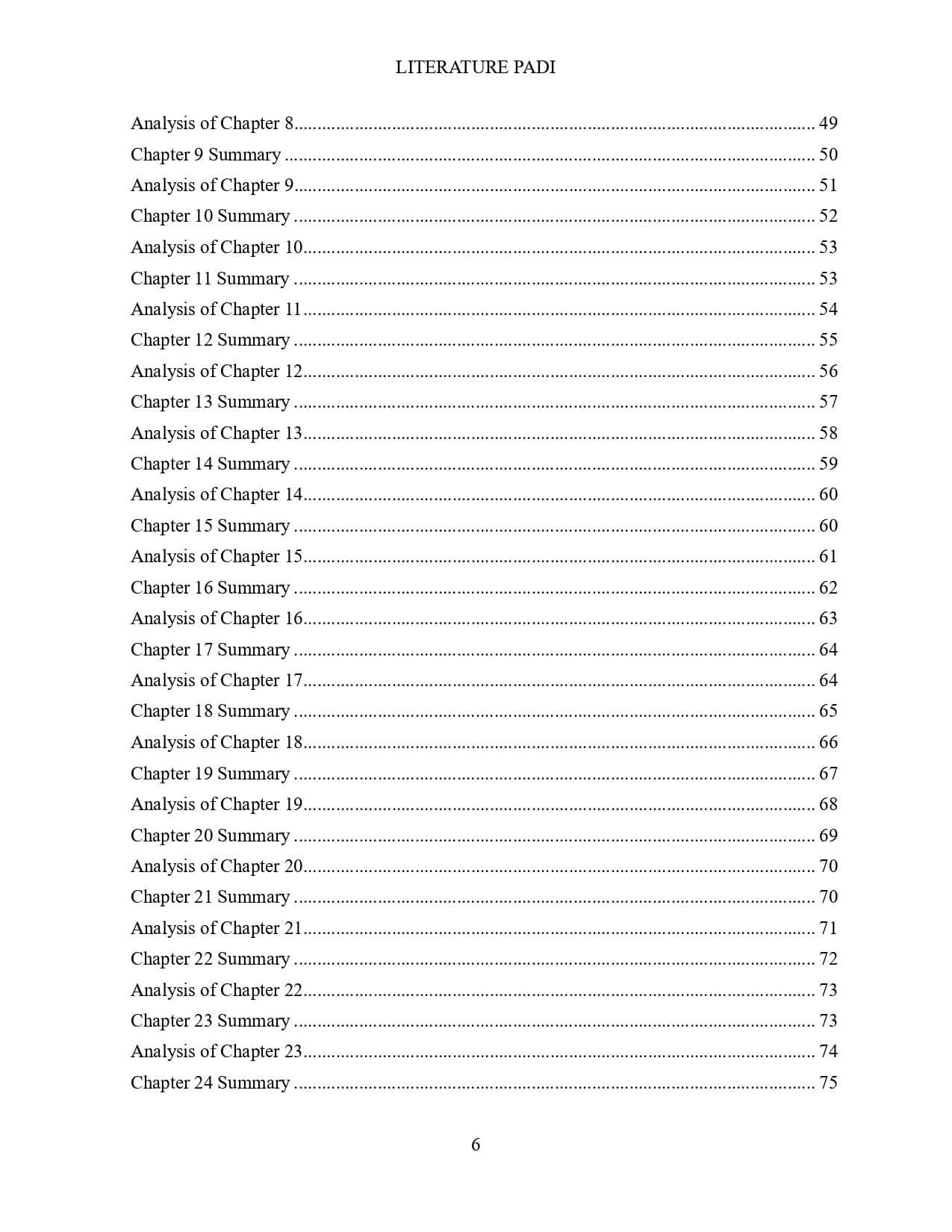
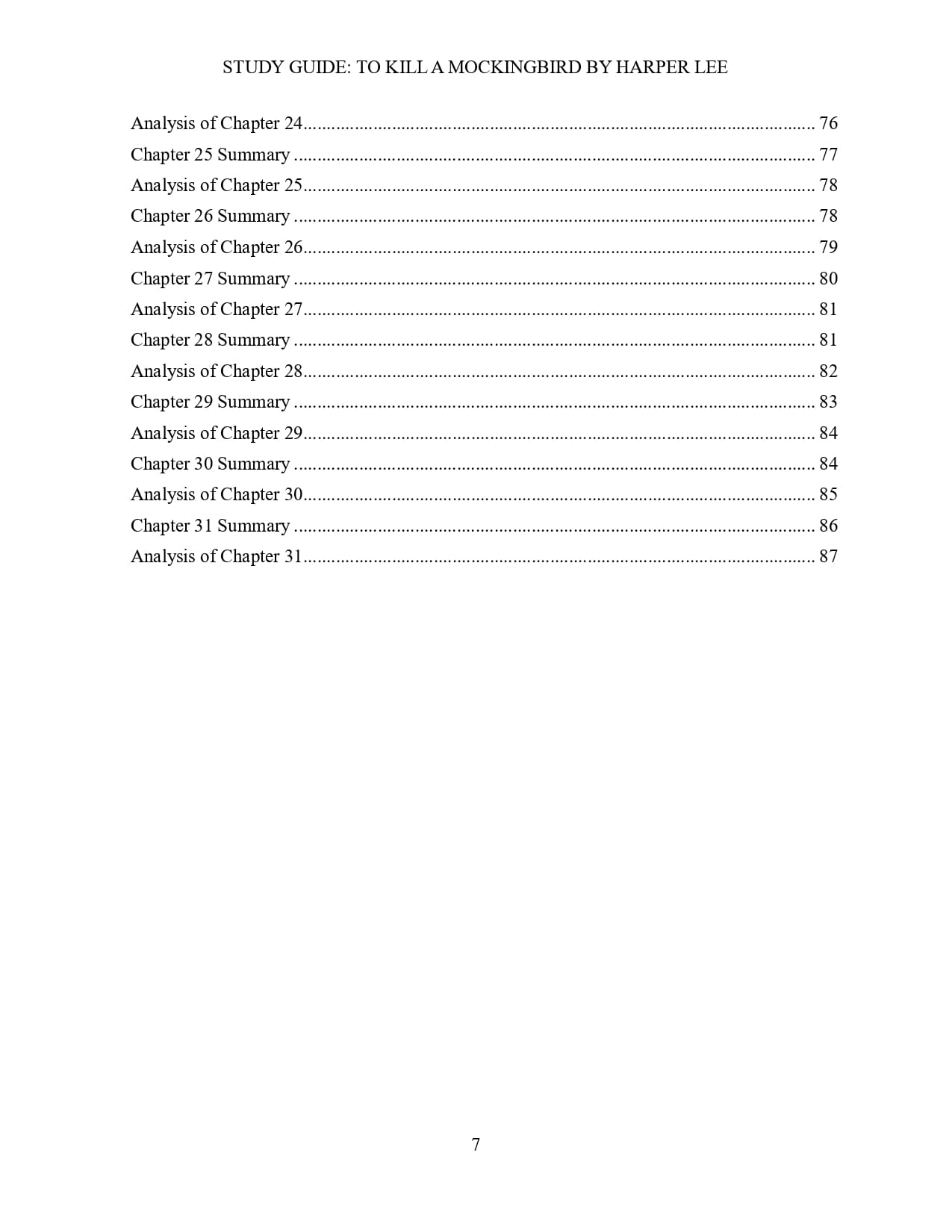
Get the Full Analysis in PDF
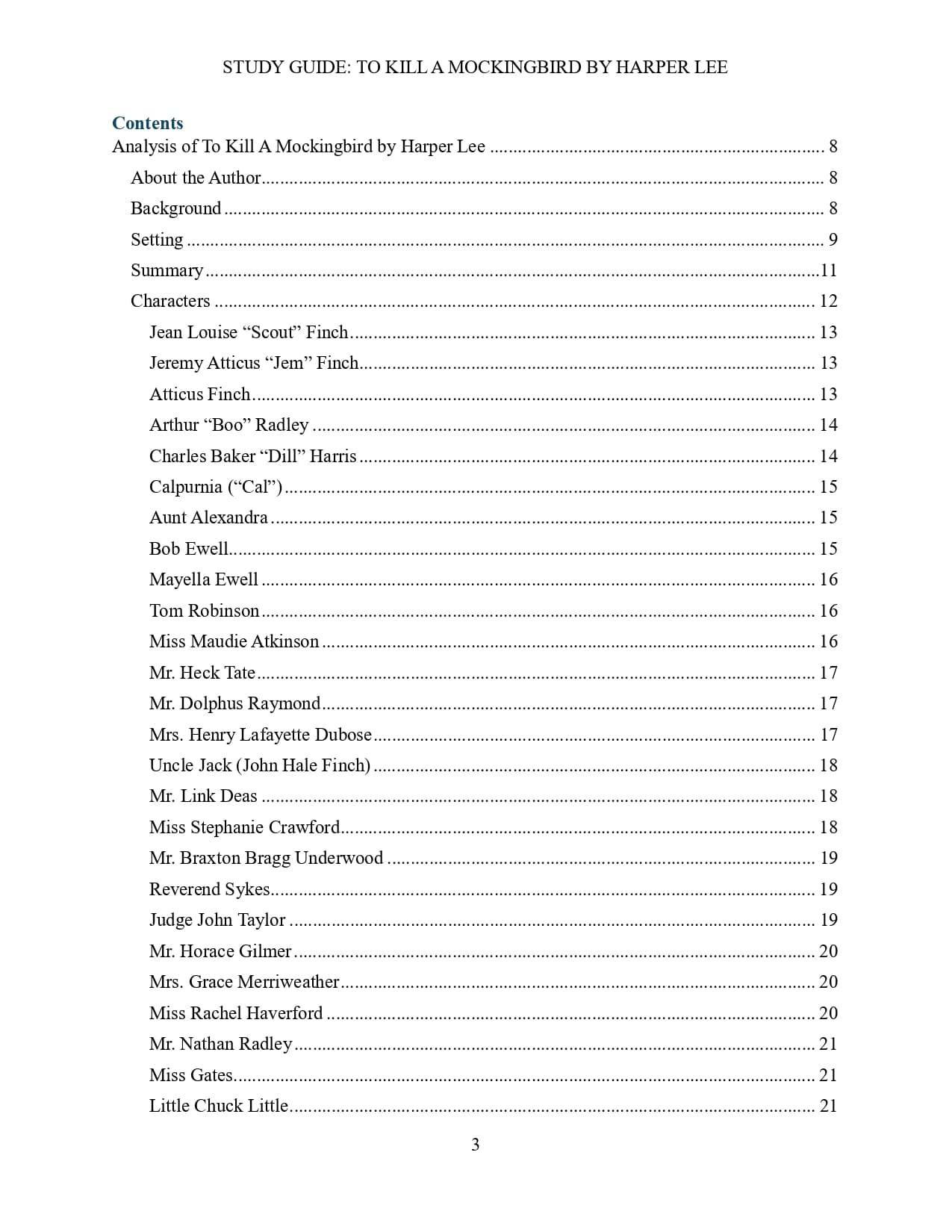
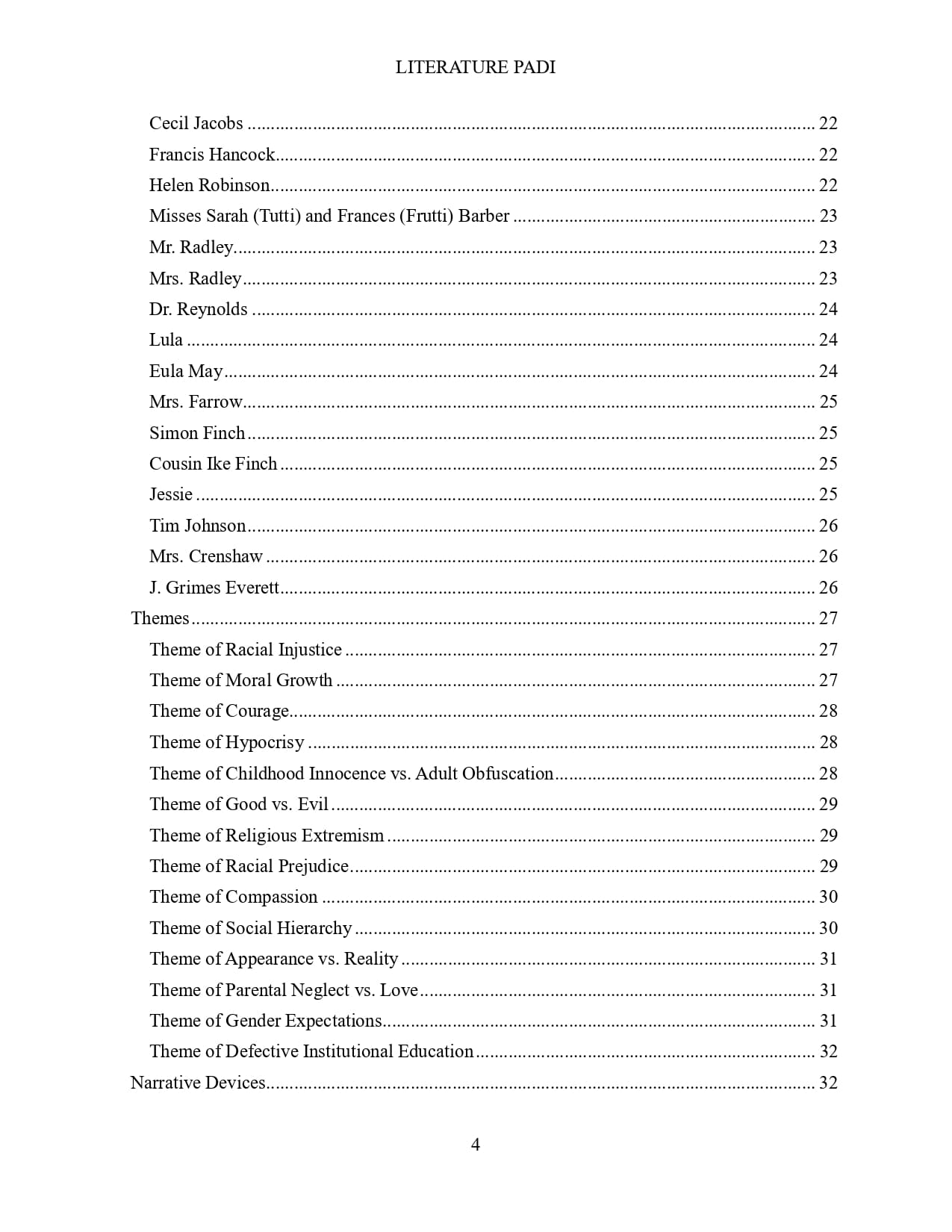
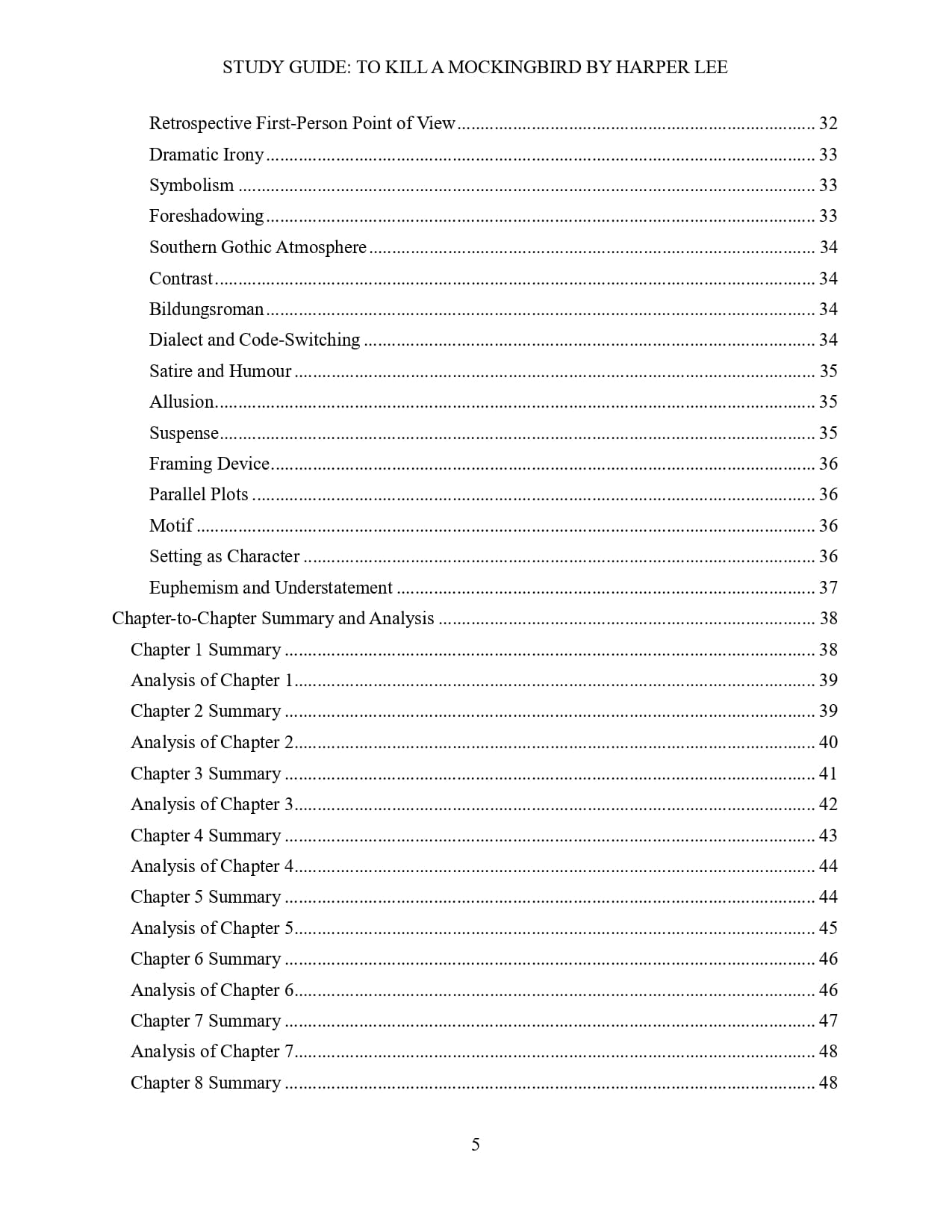
Enjoying this breakdown? What you’re reading is just part of the full experience. The premium PDF edition brings everything together in one seamless, distraction-free document that has the background, setting, plot summary, chapter-to-chapter summary and analysis, narrative devices, characters, and themes. If you’re studying seriously, this is the version you’ll want.
Analysis of Chapter 14
This chapter of To Kill a Mockingbird is steeped in the loss of innocence as the adult world heavily encroaches on the children. Scout’s blunt question about the definition of rape signals that the ugly reality of the Tom Robinson trial can no longer be shielded from her. The children are also actively absorbing the town’s racial prejudices and the backlash their family is receiving.
Jem takes a definitive step into adulthood in this chapter. His attempt to act as an authoritative older sibling to Scout leads to a childish brawl. However, his decision to alert Atticus about Dill’s presence marks a pivotal psychological shift. Jem chooses adult responsibility and safety over childish loyalty and the “code” of secrecy by reporting Dill. While Scout views him as a “traitor,” Jem demonstrates that he is internalising Atticus’s moral compass.
Also worth noting is the dispute over Calpurnia’s employment. This topical issue highlights the ideological divide between Atticus and his sister. Aunt Alexandra operates on strict Southern social codes and racial prejudices; she views Calpurnia as a subordinate employee whose influence on the children should be curtailed now that a “lady” is in the house. Atticus, conversely, operates on loyalty, merit, and egalitarianism. He recognises Calpurnia’s true value as a surrogate mother and unequivocally declares her a permanent part of the Finch family. With this declaration, he rejects Alexandra’s bigoted boundaries.
Now, Dill’s arrival is depicted as a stark contrast to the Finch family dynamic. While Atticus is frequently busy with the legislature and his law practice, he is deeply engaged with his children, respects them, and provides a secure, loving moral foundation. Dill’s parents, on the other hand, provide material goods but withhold emotional engagement. Dill’s heartbreaking explanation that his parents “do get on a lot better without me” reveals the profound loneliness of feeling unwanted. It illustrates that emotional neglect can be just as damaging as physical cruelty.
Chapter 14 of To Kill a Mockingbird concludes with a powerful, empathetic insight from Dill. When considering Boo Radley—the outcast of Maycomb—Dill speculates that Boo stays inside because he has nowhere to run off to. This not only reflects Dill’s own feelings of displacement and homelessness but also continues the novel’s humanisation of Boo. The children are beginning to understand that Boo is not a monster, but a deeply isolated individual trapped by circumstances that mirror the isolation Dill feels within his own family.
Chapter 15 Summary of To Kill a Mockingbird
Chapter 15 of To Kill a Mockingbird begins with Dill being allowed to stay in Maycomb. This brings a brief week of peace for the children before a “nightmare” begins. One evening, a group of men—Mr. Heck Tate, Mr. Link Deas, and other local friends—gather in the Finches’ front yard to speak with Atticus. They are there to warn him that Tom Robinson is being moved to the county jail the next day, and they are uneasy about the “Old Sarum bunch” causing trouble. Atticus insists he is not scared and that Tom will be safe. Jem, watching from the window, becomes terrified that the men are a “gang” threatening his father and screams that the phone is ringing to break up the crowd. Atticus later reassures Jem that these men were their friends and that Maycomb does not have mobs or gangs.
On Sunday evening, Tom Robinson is moved to the Maycomb jail. After supper, Atticus does something highly unusual: he takes the car (he usually prefers to walk everywhere) and carries a long electrical extension cord with a light bulb on the end. Awhile later, Jem gets a bad “feeling” and decides to sneak downtown to check on his father. Scout and Dill insist on going with him.
They find Atticus sitting in an office chair propped against the front door of the jail. He is peacefully reading a newspaper under the light of the bare bulb. Satisfied that he is alright, Jem is about to lead the children home when four dusty cars drive up and stop in front of the jail.
A group of sullen, shadowy men step out of the cars and demand that Atticus move away from the door. Atticus calmly refuses. When he informs them that the sheriff is around, the men reveal they have lured Heck Tate deep into the woods on a fake “snipe hunt.” Sensing the danger, Scout breaks away from Jem and runs into the circle of men, expecting to greet the familiar faces from their front yard. Instead, she is hit with the smell of stale whiskey and realises these men are complete strangers.
Atticus is terrified for his children and orders Jem to take them home. Jem, however, stubbornly shakes his head and refuses to leave his father’s side, even when a burly man roughly grabs him by the collar. Scout retaliates by kicking the man to defend her brother.
Looking around the crowd, Scout finally recognises a familiar face: Mr. Walter Cunningham. Attempting to be polite, she strikes up a friendly, innocent conversation with him about his “entailment” and his son, Walter, whom she goes to school with. The crowd falls completely silent, fascinated and disarmed by her chatter. Scout’s innocent remarks pierce through the mob’s collective anger; Mr. Cunningham finally squats down, takes Scout by the shoulders, and promises to tell his son “hey” for her. He then orders the men to clear out, and the cars drive away.
After they leave, Tom Robinson’s voice asks from the darkness if the men are gone. From a window above the jail, Mr. Underwood (the editor of the Maycomb Tribune) speaks up. He reveals he had been leaning out with a double-barrelled shotgun covering Atticus the entire time. As Atticus and the children walk home, Atticus does not scold Jem for disobeying him; instead, he reaches out and affectionately massages Jem’s hair.
Analysis of Chapter 15
This chapter of To Kill a Mockingbird is a profound exploration of mob psychology. When the men from Old Sarum arrive at the jail, they are stripped of their individual identities; they are a unified, faceless threat driven by racism and alcohol. Scout’s innocent intervention unknowingly dismantles the mob by singling out Mr. Cunningham. She talks to him about his specific struggles (his entailment) and his family (his son Walter) to deliberately force him to step out of the anonymity of the mob and remember his humanity. Atticus later explains this phenomenon to the children in Chapter 16. He notes that a mob is always made up of people, and it takes an eight-year-old child to bring them back to their senses.
Jem faces a monumental test of character in this chapter and crosses a threshold into adulthood. When Atticus repeatedly orders him to go home, Jem actively defies him. The physical resemblance between them in that moment (“Mutual defiance made them alike”) highlights that Jem has inherited his father’s unwavering moral courage. Jem realises that if he leaves, Atticus will likely be killed; his disobedience is an act of profound loyalty and love. In this regard, Atticus’s gesture of massaging Jem’s hair at the end of the chapter is, in fact, a silent acknowledgement of Jem’s bravery and a recognition that his son is now a young man.
On the whole, Chapter 15 brings Atticus’s definition of courage—knowing you are licked before you begin but seeing it through anyway—to vivid life. He sits unarmed in front of the jail, fully anticipating the arrival of a lynch mob. His calm demeanour—deliberately folding his newspaper and speaking in polite, even tones—demonstrates his immense self-control and his dedication to protecting Tom Robinson at the risk of his own life.
Harper Lee continues to showcase the moral complexity of Maycomb’s citizens through the character of Mr. Underwood. As Atticus notes later, Mr. Underwood notoriously despises Black people. However, his inherent sense of justice and his respect for Atticus compel him to sit in the dark with a shotgun to protect them both. This illustrates that human nature in Maycomb cannot be easily categorised into simple boxes of good and evil.
Related:
- Chapter 1 to 3 Summary and Analysis of To Kill a Mockingbird by Harper Lee
- Chapter 4 to 6 Summary and Analysis of To Kill a Mockingbird by Harper Lee
- Chapter 7 to 9 Summary and Analysis of To Kill a Mockingbird by Harper Lee
- Chapter 10 to 12 Summary and Analysis of To Kill a Mockingbird by Harper Lee
- Chapter 16 to 21 Summary and Analysis of To Kill a Mockingbird by Harper Lee
- Chapter 22 to 24 Summary and Analysis of To Kill a Mockingbird by Harper Lee
- Chapter 25 to 28 Summary and Analysis of To Kill a Mockingbird by Harper Lee
- Chapter 29 to 31 Summary and Analysis of To Kill a Mockingbird by Harper Lee
Receive Literary Updates through our Social Media Channels:
- WhatsApp: Literature PADI or Literature-in-English with LP
- Telegram: Literature PADI
- YouTube: @literaturepadi
- Facebook: Literature PADI