Download our SSCE Study Guide Bundle
Act 4, Scene 12 Summary of Antony and Cleopatra
Act 4, Scene 12 of Antony and Cleopatra takes place on the hills overlooking the sea. It is a climactic scene that portrays the final, catastrophic defeat of Mark Antony’s forces and the explosive severing of his trust in Cleopatra. The scene opens with Antony and his soldier Scarus. Noting that the fleets have not yet joined in battle, Antony goes to a vantage point by a pine tree to observe the sea fight. He promises to bring back word of the outcome. Left alone, Scarus remarks on grim omens: swallows have built nests in Cleopatra’s sails, and the augurers refuse to speak their dark knowledge. He notes that Antony is deeply dejected, alternating between “hope, and fear.”
After the off-stage sounds of a sea-fight, Antony returns in absolute despair, declaring, “All is lost.” He reveals that his fleet has yielded to the enemy, and his former sailors are now tossing their caps in the air and celebrating with Caesar’s men like “friends long lost.” Antony immediately places the entire blame on Cleopatra. He calls her a “triple-turn’d whore!” and a “foul Egyptian” who has sold him out to the “novice” Caesar. He orders Scarus to bid the rest of his army to fly, as he declares that his only remaining war is against Cleopatra, for whom he seeks revenge.
Antony laments his total ruin, recognising that “Fortune and Antony part here”. He bitterly reflects on how the followers who used to fawn over him like spaniels have now melted away (“discandy”) to shower their affection on Caesar.
Cleopatra suddenly enters, asking why her lord is so enraged. Antony violently drives her away. He screams at her to “vanish”. He threatens to give her what she deserves by letting Caesar take her to Rome, where she will be hoisted up to the “shouting plebeians,” paraded in a chariot as a monster, and have her face torn up by the prepared nails of the jealous “Patient Octavia”.
Terrified, Cleopatra flees the stage. Left alone, Antony feels as though he is burning alive; he compares his agony to wearing the poisoned “shirt of Nessus.” He calls upon his mythological ancestor, Hercules (“Alcides”), to teach him his legendary rage so that he can subdue himself. The scene ends with Antony vowing that the “witch shall die” for selling him to the young Roman boy.
Get the Full Analysis in PDF
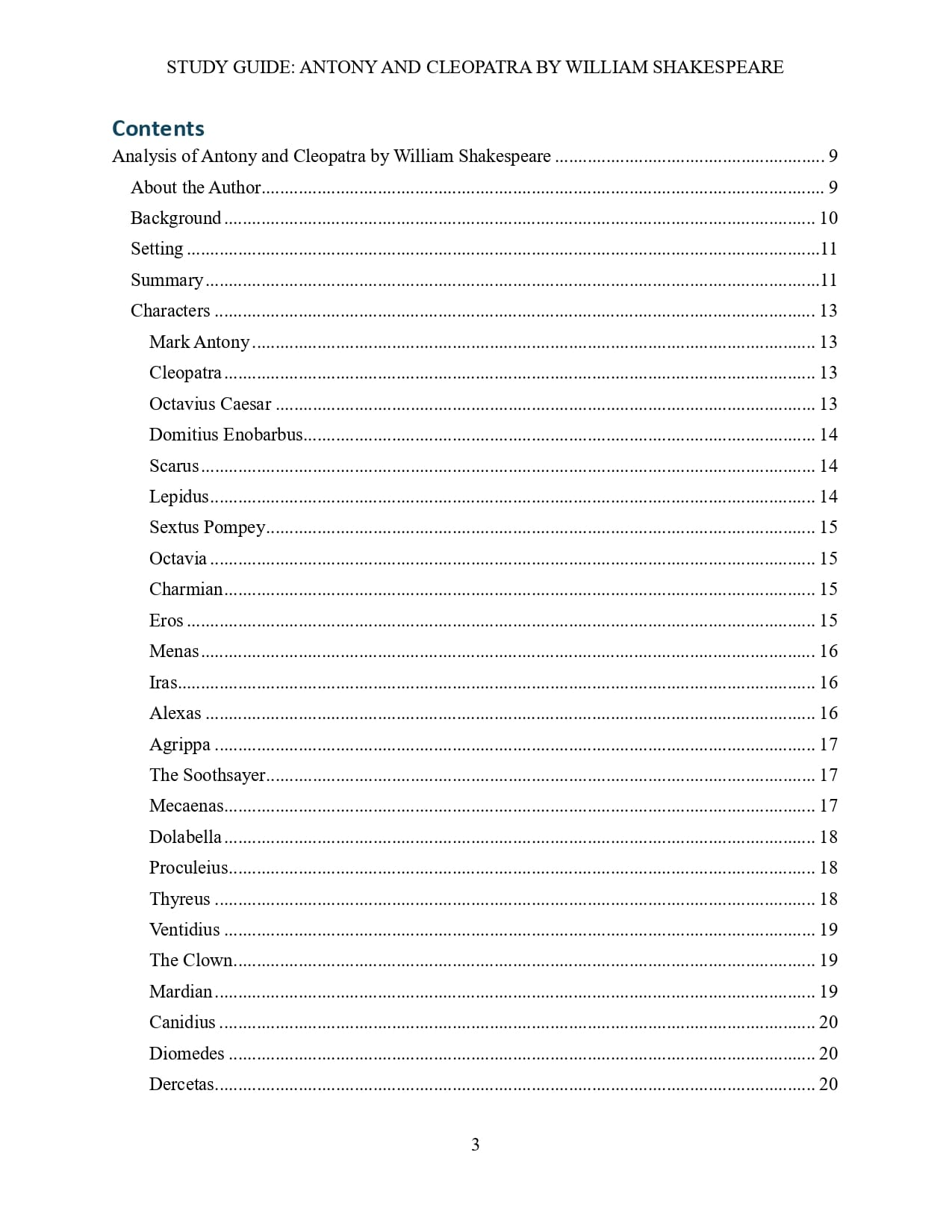
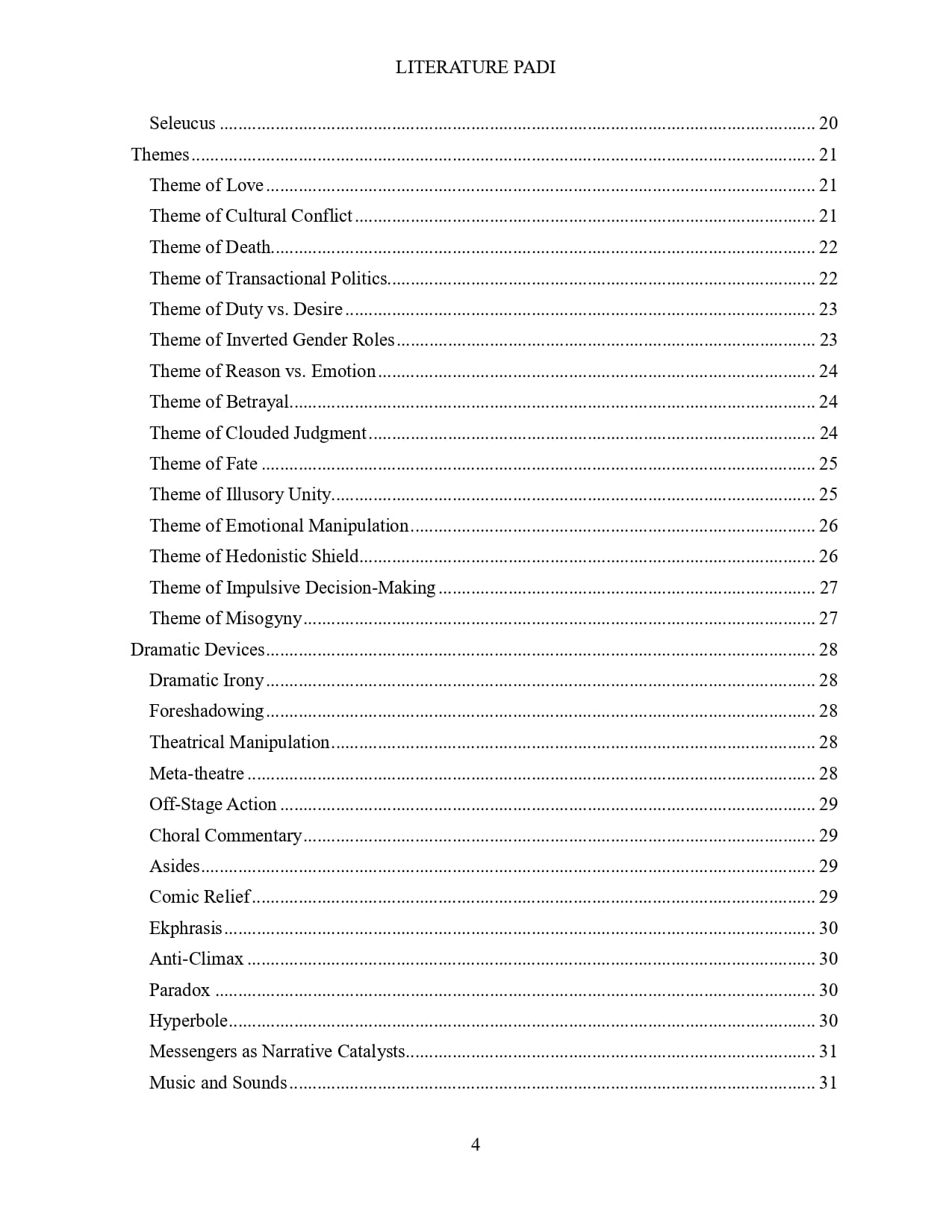
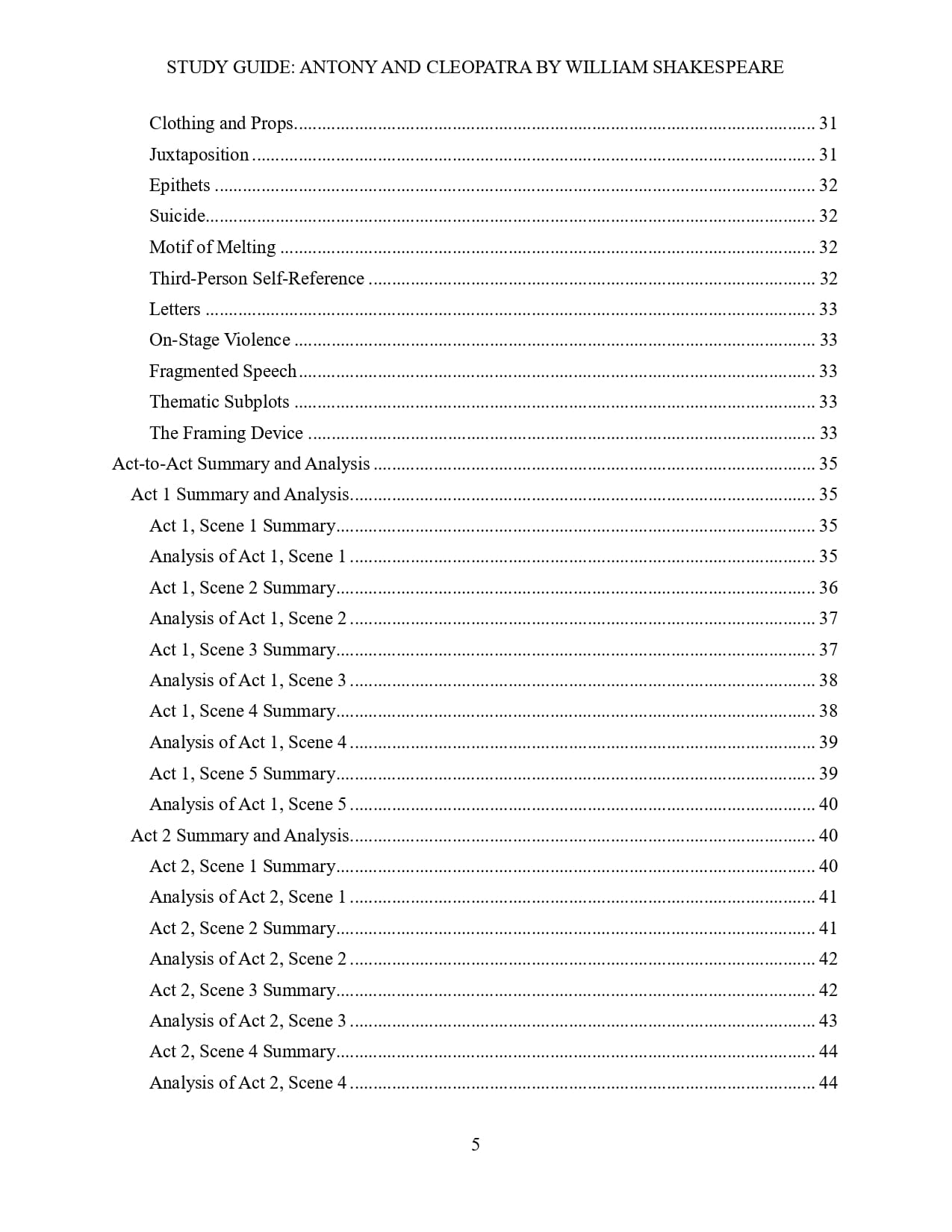
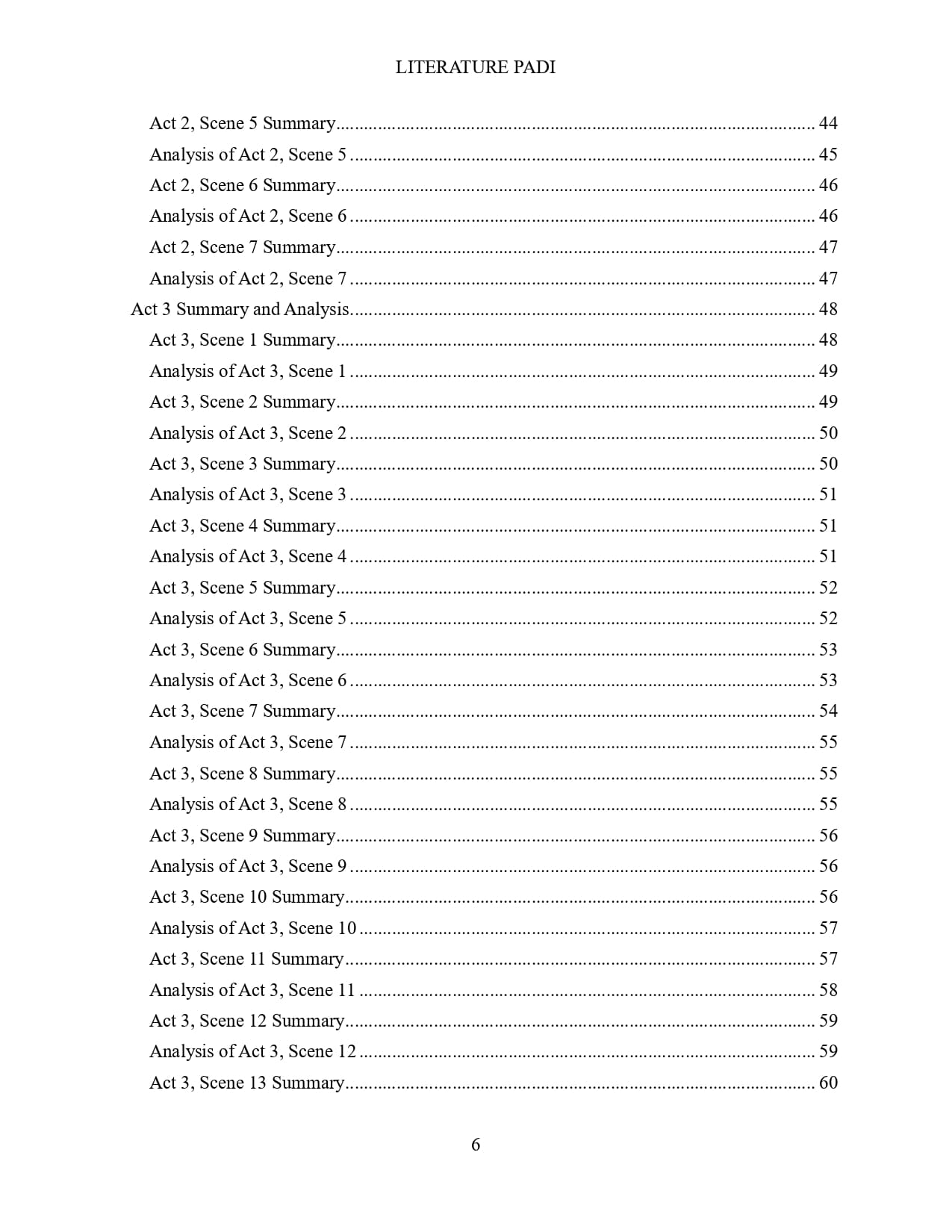
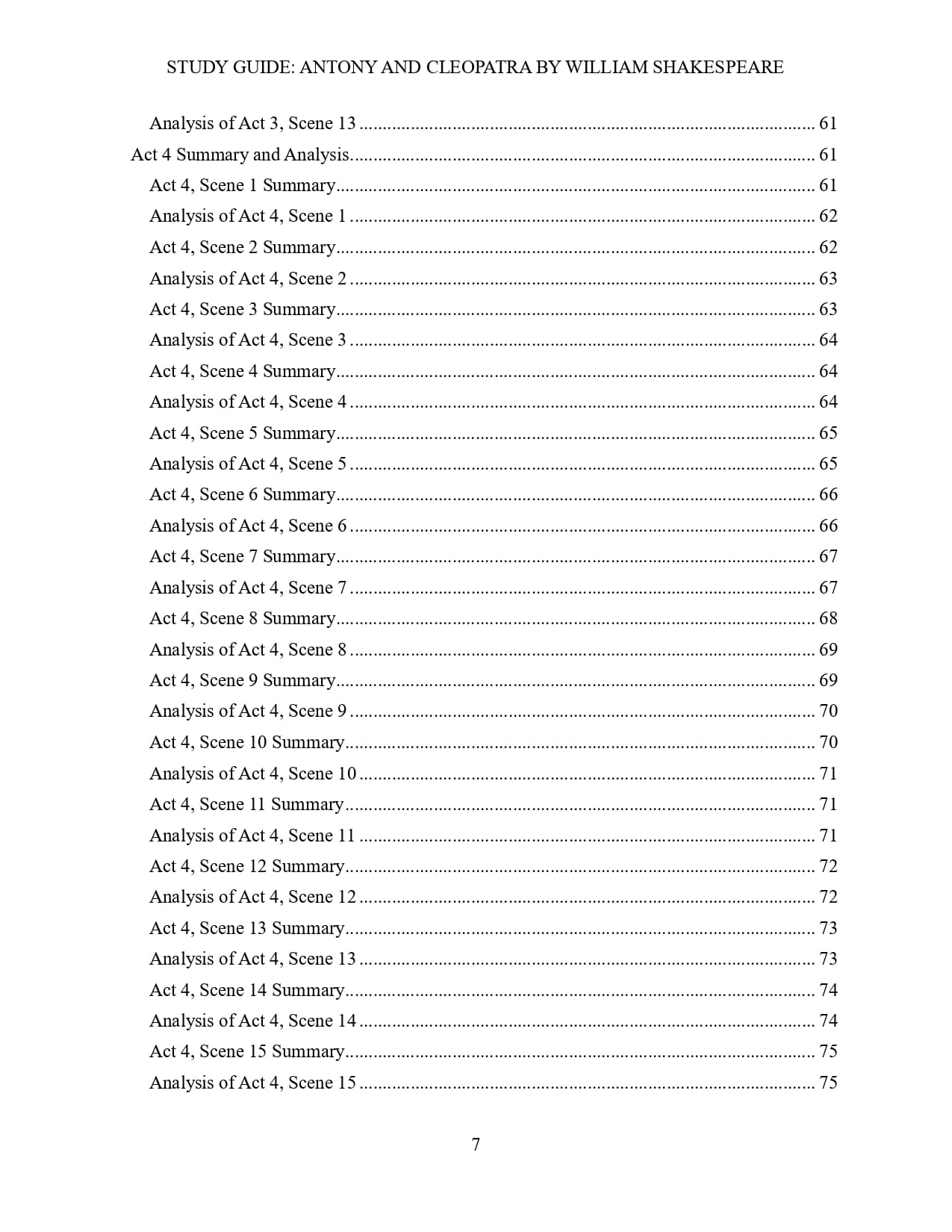
Enjoying this breakdown? What you’re reading is just part of the full experience. The premium PDF edition brings everything together in one seamless, distraction-free document that has the background, setting, plot summary, act-to-act summary and analysis, dramatic devices, characters, and themes. If you’re studying seriously, this is the version you’ll want.
Analysis of Act 4, Scene 12
The scene realises the worst fears of Antony’s commanders. The naval fleet, which Antony stubbornly relied upon, completely abandons him without a fight. The image of his men “discandying” (melting like sweets) to join Caesar illustrates the fickle, opportunistic nature of his followers once his power is broken. In his profound humiliation, Antony immediately assumes Cleopatra orchestrated the betrayal. He reduces her from his “day o’ the world” to a “triple-turn’d whore,” a “right gipsy,” and a “witch”. His threat that she will be violently mutilated by Octavia shows how quickly his obsessive love sours into vicious cruelty when his ego and empire are shattered.
Then, we get a glimpse of the fate of the conquered in Antony’s graphic description of a Roman triumph, where Cleopatra will be shown to the “shouting plebeians” and displayed for “poor’st diminutives”. This visualises the brutal reality of their defeat. Death is no longer the worst possible outcome; public humiliation in Rome is.
Finally, the Hercules motif is used in this scene. Antony’s invocation of Hercules (“Alcides”) and the “shirt of Nessus” is highly symbolic. In mythology, Hercules was killed when his wife unknowingly gave him a poisoned shirt, and in his agony, Hercules threw his servant Lichas to his death. Using this metaphor, Antony casts himself as the tragically betrayed hero; he suggests that the very woman he loved has become the poisonous instrument of his agonising destruction.
Related:
- Act 4, Scene 1 Summary and Analysis of Antony and Cleopatra
- Act 4, Scene 2 Summary and Analysis of Antony and Cleopatra
- Act 4, Scene 3 Summary and Analysis of Antony and Cleopatra
- Act 4, Scene 4 Summary and Analysis of Antony and Cleopatra
- Act 4, Scene 5 Summary and Analysis of Antony and Cleopatra
- Act 4, Scene 6 Summary and Analysis of Antony and Cleopatra
- Act 4, Scene 7 Summary and Analysis of Antony and Cleopatra
- Act 4, Scene 8 Summary and Analysis of Antony and Cleopatra
- Act 4, Scene 9 Summary and Analysis of Antony and Cleopatra
- Act 4, Scene 10 Summary and Analysis of Antony and Cleopatra
- Act 4, Scene 11 Summary and Analysis of Antony and Cleopatra
- Act 4, Scene 13 Summary and Analysis of Antony and Cleopatra
- Act 4, Scene 14 Summary and Analysis of Antony and Cleopatra
- Act 4, Scene 15 Summary and Analysis of Antony and Cleopatra
Receive Literary Updates through our Social Media Channels:
- WhatsApp: Literature PADI
- Telegram: Literature PADI
- YouTube: @literaturepadi
- Facebook: Literature PADI