
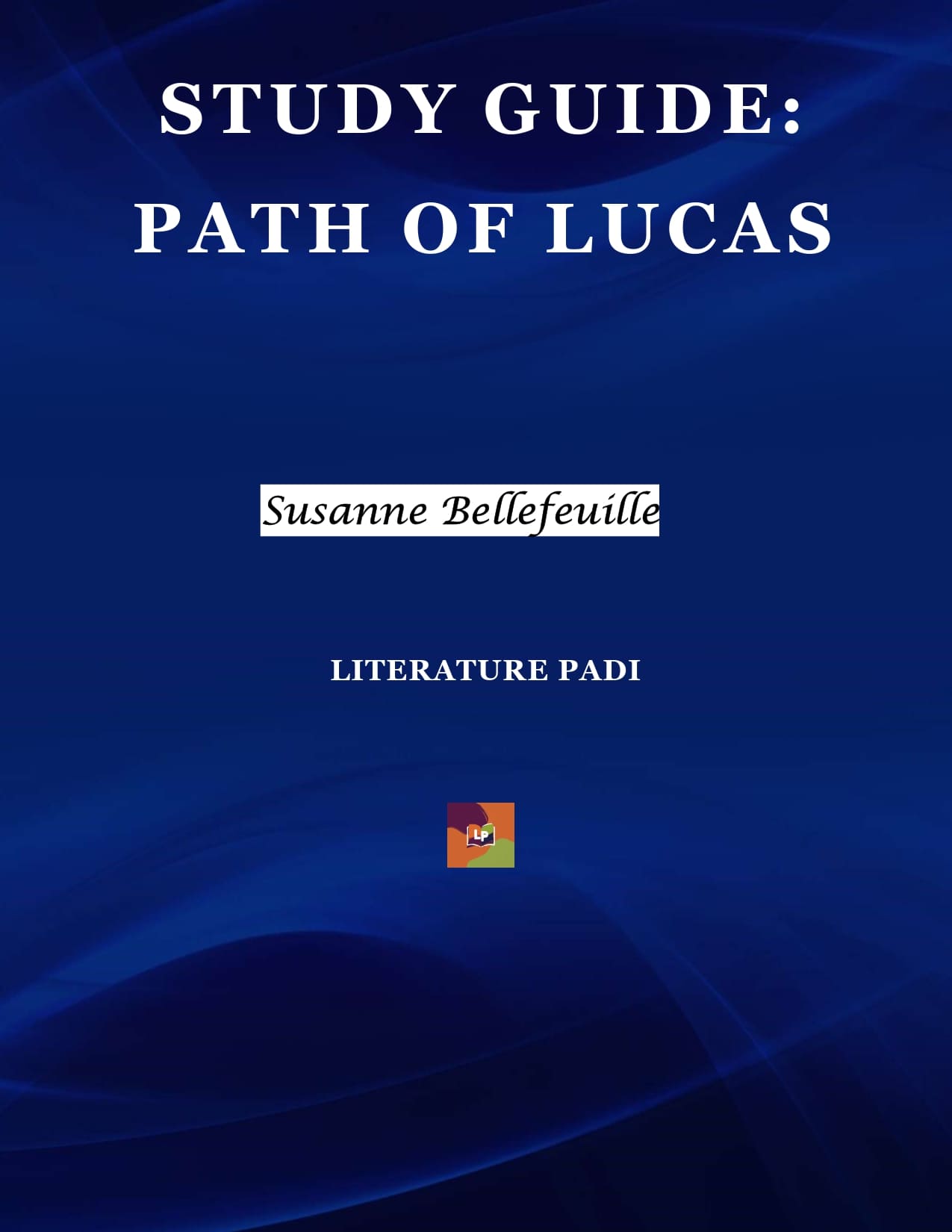
Download our SSCE Study Guide Bundle
The themes in Path of Lucas by Susanne Bellefeuille include selfless sacrifice, devoting love, relentless cycle of life and death, overcoming generational trauma, spiritual comfort, perseverance, loyal friendship, forgiveness, destructive nature of secrets, nature as sanctuary, and physical breakdowns. This section shall focus on these the highlighted themes.
Theme of Selfless Sacrifice
The most prominent theme in Path of Lucas is the profound sacrifice that Lucas repeatedly makes for the sake of his family. From a young age, Lucas harbors a deep passion for auto mechanics, and he eventually secures an apprenticeship and a rented country home in Uxbridge to pursue this dream. However, when his father secretly nears bankruptcy after financially supporting his daughter Mary’s family, John begs Lucas to return to Alexandria to save the family farm. Although he experiences the immense personal heartbreak of abandoning his chosen career, Lucas firmly believes that familial duty must always come first, and he willingly gives up his dreams to prevent his parents from losing everything.
Later in life, Lucas makes another monumental sacrifice when his wife falls into a severe depression, as he chooses to quit his lucrative job at the Kemptville cable company and drain his life savings to constantly be by her side in the psychiatric ward.
These actions construct Lucas as the archetypal patriarchal protector, a man who consistently places the needs and survival of his loved ones far above his own personal ambitions.
Theme of Devoting Love
Path of Lucas heavily explores the unbreakable romantic and emotional bond between Lucas and Isabelle, which serves as their anchor through decades of extreme hardship. Their connection is tested almost immediately by Isabelle’s deeply suppressed trauma from her violently abusive childhood, yet Lucas’s patience and gentle nature allow her to trust him completely.
The utmost test of their devotion occurs when Isabelle suffers a complete psychotic breakdown, which makes her retreat into a terrifying delusion where she views Lucas as a monster and a total stranger. Rather than institutionalising his wife as the doctors suggest, Lucas’s devotion drives him to orchestrate an unorthodox, intuitive therapy using a picture cube, which eventually shatters her illusion and triggers her lost memories.
By the end of Isabelle’s life, she fully recognises the silent, immense burden Lucas has carried for her. This realisation prompts her to actively reclaim her physical health so they can enjoy a beautiful, albeit brief, golden era of travel together.
On the whole, their love story is indicative that profound devotion can survive mental illness, tragedy, and the heaviest tests of time.
Theme of the Relentless Cycle of Life and Death
The author constantly juxtaposes moments of incredible joy with sudden, devastating tragedies. Her juxtaposition is thus emphatic of the fragility and unpredictability of human existence. The Clarkson family rarely experiences an extended period of peace. For example, the joyful birth of their granddaughter Paige and a perfect family Christmas are violently interrupted just hours later by Richard’s terrifying inability to breathe.
Similarly, the devastating death of the family patriarch, John, is quickly followed by the miraculous birth of Lucy’s son, Daniel. Richard’s terminal cancer diagnosis also coincides with the beautiful celebration of Lucy and Justin’s wedding. The family has to simultaneously celebrate new beginnings while mourning an impending end.
This constant emotional whiplash reinforces the notion that life is an inescapable, rolling wave of grief and miracles, a reality that Lucas and Isabelle must learn to navigate together. The natural world mirrors this cycle, beautifully symbolised by Isabelle’s realisation under the great oak tree that everything in nature must die to be born again.
Theme of Overcoming Generational Trauma
The novel underscores the power of breaking the cycle of abuse through the contrasting experiences of Isabelle and her daughter, Lucy. During her own childhood, Isabelle suffered brutal physical and emotional abuse from her parents, which leaves her terrified and ashamed when she discovered she was pregnant out of wedlock with Richard.
In stark contrast, when sixteen-year-old Lucy finds herself unexpectedly pregnant, she is afraid but knows she can immediately turn to her mother for comfort and guidance. Lucas and Isabelle consciously choose to react to their daughter’s teenage pregnancy with unconditional love, emotional support, and financial backing, rather than the violence or shame Isabelle feared in her youth.
Lucas and Isabelle successfully create a warm, safe, and disciplined household where their children grow up completely free from the shadows of Isabelle’s abusive past. This success proves that individuals are not doomed to repeat the sins of their parents and that generational trauma can be conquered through empathy and devoted parenting.
Theme of Spiritual Comfort
In the face of insurmountable grief, the novel explores how spiritual signs and faith provide crucial comfort to the grieving characters. Following the agonising death of his firstborn son, Richard, an utterly devastated Lucas walks into the forest and spots a monarch butterfly, which he deeply feels is a divine sign of his son’s enduring spirit.
This spiritual motif returns when Isabelle suddenly dies of a massive heart attack. Looking out the hospital window, Lucas sees a monarch butterfly and a rose-breasted grosbeak fly into the sky together. Again, he interprets this sign to mean the reunion of his wife and son.
In the novel’s final moments, immediately following Lucas’s fatal heart attack in the hallway, Lucy witnesses one monarch butterfly flying above two rose-breasted grosbeaks outside her window. Lucy recognises the spiritual symbolism her father taught her. She finds immediate peace and comfort in the knowledge that her parents and brother are finally reunited and at peace in heaven.
These spiritual visions suggest that death is not a final end, but rather a transition to a peaceful, eternal reunion for those bound by profound love.
Theme of Perseverance
Path of Lucas frequently highlights the necessity of unwavering perseverance, more specifically in the navigation of the limitations of clinical medicine. When Isabelle is trapped in a severe psychotic depression, her psychiatrist, Dr. Jones, eventually gives up on her recovery and suggests that she may need to be admitted permanently.
Lucas, on the other hand, refuses to accept this bleak clinical prognosis. He relies on his deep intuition and love to devise unorthodox therapies. One is forcing her to confront the reality of the psychiatric ward. Another is taking her Christmas shopping with a family picture cube.
His determination to continuously fight for his wife’s sanity finally shatters her delusion and triggers her lost memories. This thematic element is, thus, suggestive that profound emotional connections and relentless hope can sometimes achieve miraculous healing where traditional medical treatments fail.
Get the Full Analysis in PDF
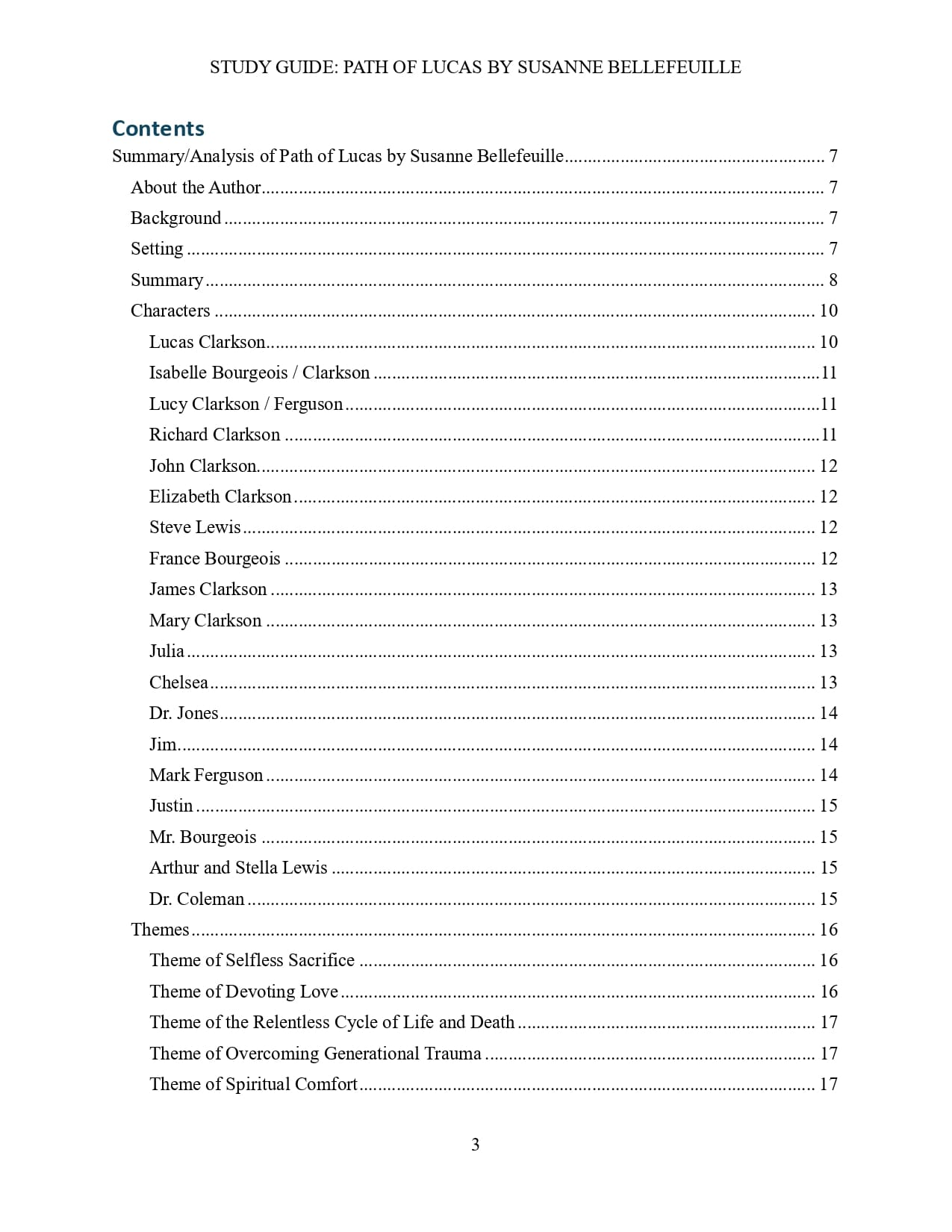
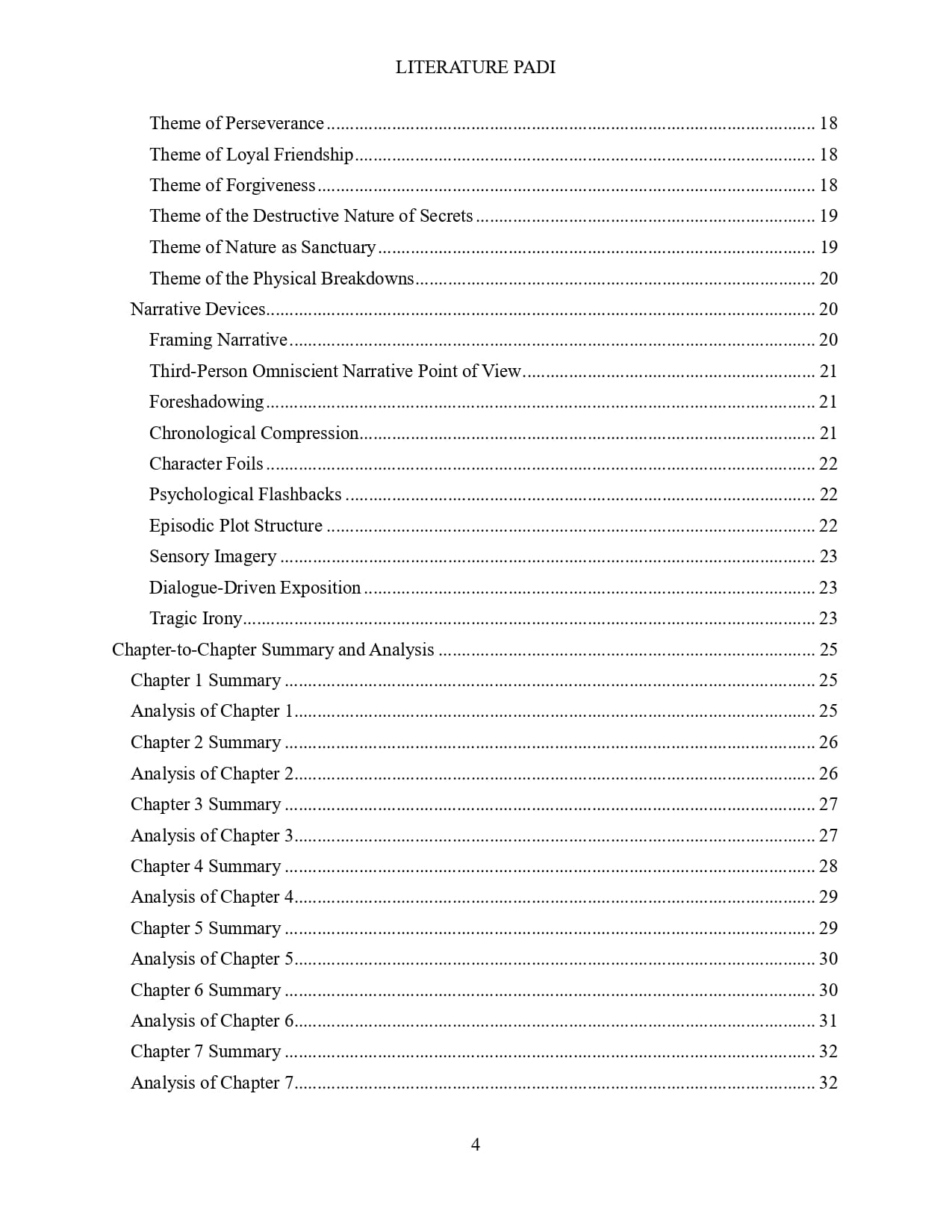
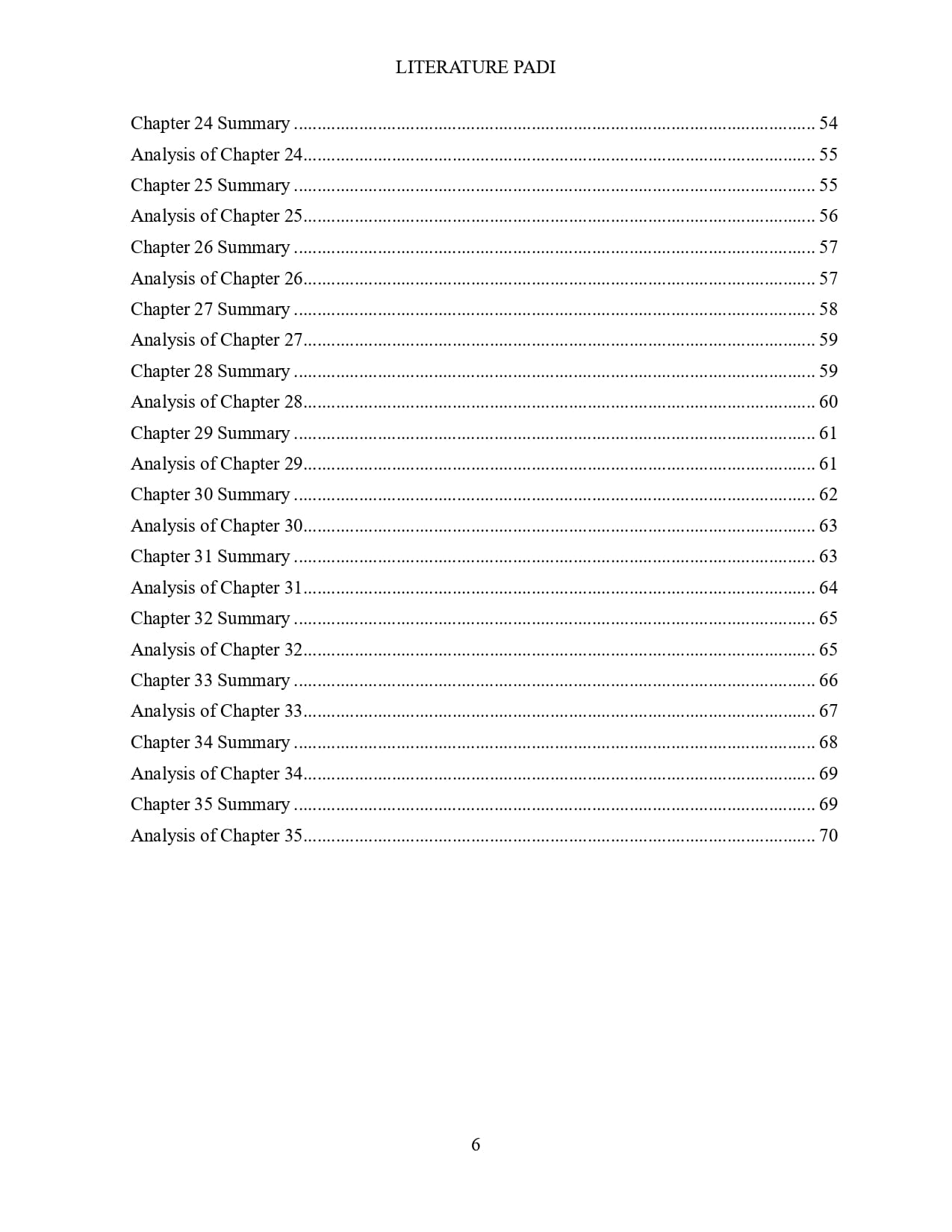
Enjoying this breakdown? What you’re reading is just part of the full experience. The premium PDF edition brings everything together in one seamless, distraction-free document that has the background, setting, plot summary, chapter-to-chapter summary and analysis, narrative devices, characters, and themes. If you’re studying seriously, this is the version you’ll want.

Theme of Loyal Friendship
Path of Lucas consistently underscores the profound impact of loyal friendships on the characters’ lives and survival. Lucas and Steve share an unbreakable brotherly bond from childhood in that Lucas constantly encourages Steve’s confidence. Steve’s eventual death leaves a permanent void in Lucas’s heart.
Similarly, Isabelle relies heavily on the fierce loyalty of her friend Julia, who acts as her guide when Isabelle discovers she is pregnant out of wedlock and is terrified of her family’s judgment. Lucas’s friend Jim also demonstrates incredible loyalty by offering Lucas a life-changing apprenticeship in Uxbridge to help him achieve his dream of becoming a certified mechanic.
Throughout their relentless cycles of tragedy, the Clarksons are continually buoyed by these deep platonic relationships. Apparently, true friends are as vital as family during times of crisis.
Theme of Forgiveness
The novel explores the psychological liberation that comes from forgiving past abusers and seeking personal redemption. Having suffered years of severe emotional and physical abuse at the hands of her parents, Isabelle is forced to confront her trauma when her alcoholic father is dying of emphysema and tearfully begs for her forgiveness.
Isabelle mercifully grants him this forgiveness. She later explains to Lucas that releasing her resentment felt as though a massive weight had been lifted from her shoulders.
Later in life, after realising the immense, silent toll her mental illnesses have taken on Lucas, Isabelle seeks her own redemption by taking strict control of her health and weight so that she can finally be a strong, vibrant partner to him.
Through these acts of grace, the novel suggests that forgiveness is a crucial step in healing from deep-seated trauma and reclaiming one’s future.
Theme of the Destructive Nature of Secrets
The act of keeping secrets or living in denial consistently leads to emotional turmoil and physical danger in the novel. Early in the story, Isabelle hides the horrific truth of her parents’ abuse from Lucas, which nearly destroys their blossoming relationship when she refuses to open up and runs away from him in the forest.
Later, terrified of her family’s judgment, Isabelle hides her out-of-wedlock pregnancy. She suffers through morning sickness alone until her friend Julia intervenes and insists on taking her to a doctor.
The patriarch, John Clarkson, secretly drains his finances to support his daughter Mary’s struggling family. He keeps his impending bankruptcy hidden from his wife, Elizabeth, until he is forced to beg Lucas to abandon his mechanic apprenticeship to save the farm.
Additionally, prior to her massive mental breakdown, Isabelle hides her deep emotional anguish over her sister France’s death by overeating and suppressing her grief. She secretly hides pictures of her deceased sister under her pillow where young Lucy discovers her crying.
From these instances, it is apparent that suppressing the truth out of fear or shame only compounds suffering, whereas open communication paves the way for healing and vital support.
Theme of Nature as Sanctuary
The natural world is a crucial sanctuary for the characters in Path of Lucas. It offers them peace and perspective during times of immense stress or impending tragedy. Isabelle, having grown up in a tumultuous and abusive household, finds her greatest comfort sitting outdoors beneath the big oak tree on the Clarkson farm, where she admires the changing autumn leaves and contemplates the reassuring, cyclical nature of life and death.
Nature also plays a redemptive role for Isabelle’s abusive father, Mr. Bourgeois, who, while dying of severe emphysema, sits on his porch to admire the blue sky and birds. It is at this point that he comes to the realisation that he took the beauty of the world for granted during his troubled life.
Similarly, Lucas and Isabelle frequently retreat to the outdoors—whether it is taking a walk through the forest with their dog Lassie, enjoying a summer picnic, or camping at Loch Garry—to strengthen their bond away from the pressures of relentless work and family tragedy.
Even the spiritual signs that comfort the family, such as the monarch butterfly and the rose-breasted grosbeak, are manifestations of the natural world providing divine reassurance in the face of death.
Theme of the Physical Breakdowns
Path of Lucas frequently illustrates how severe emotional anguish and psychological stress directly impact the physical health and stability of the characters. When Steve is deployed overseas with the Air Force, his father Arthur Lewis experiences such profound anxiety over losing another family member to military service that he becomes physically disoriented and confused while performing simple tasks, such as storing his lawnmower.
Isabelle’s inability to process the tragic, premature death of her sister France causes her to seek comfort in food. This results in severe weight gain and, sadly, a catastrophic physical collapse where she falls unconscious, her body shutting down before she slips into a psychotic depression. France herself falls victim to the physical toll of her emotional distress, as her inability to manage her obesity triggers the fatal heart attacks that end her life at only thirty-two years old.
Most notably, in the framing narrative, the immense terror and grief Lucas experiences while sitting by his comatose daughter’s bedside culminate in his own escalating chest pains. It eventually triggers the massive, fatal heart attacks that end his life in the hospital hallway.
The author uses these physical breakdowns to demonstrate that the mind and body are inextricably linked, and unprocessed grief carries a deadly physical toll.
Related:
- Plot Summary and Setting of Path of Lucas by Susanne Bellefeuille
- Characters in Path of Lucas by Susanne Bellefeuille
- Narrative Devices in Path of Lucas by Susanne Bellefeuille
Receive Literary Updates through our Social Media Channels:
- WhatsApp: Literature PADI
- Telegram: Literature PADI
- YouTube: @literaturepadi
- Facebook: Literature PADI









Thank you very much